David RUBANZANGABO is the owner of the Rwandan farm Huye Mountain Coffee. He has been involved in coffee since 1998, when he was employed at OCIR (Rwanda Coffee Development Authority) as an agronomist. From 2006 he was the chief technician in the Rwandan project SPREAD and in 2012 he founded the aforementioned Huye Mountain farm. He capitalized on his experience and success came immediately, in the same year his coffee placed in the Rwandan Cup of Excellence. Since 2012, Huye Mountain has been a stable and inseparable part of the coffee offer of several well-known roasteries, such as Stumptown. Last year, David played a role in "A film about coffee", thanks to which we consider him the toughest biker among coffee farmers.
David, family is the most important thing for you, tell us about yours.
I am the owner of the company David and family, we are a family business that grows and loves coffee. Me, my wife, three children and my sister, who works as a professional cupper. We work in the Southern Province of Rwanda. Near the city of Huye. We have 4 hectares of coffee plantation and own a small water mill.
When did you realize you wanted to work with coffee?
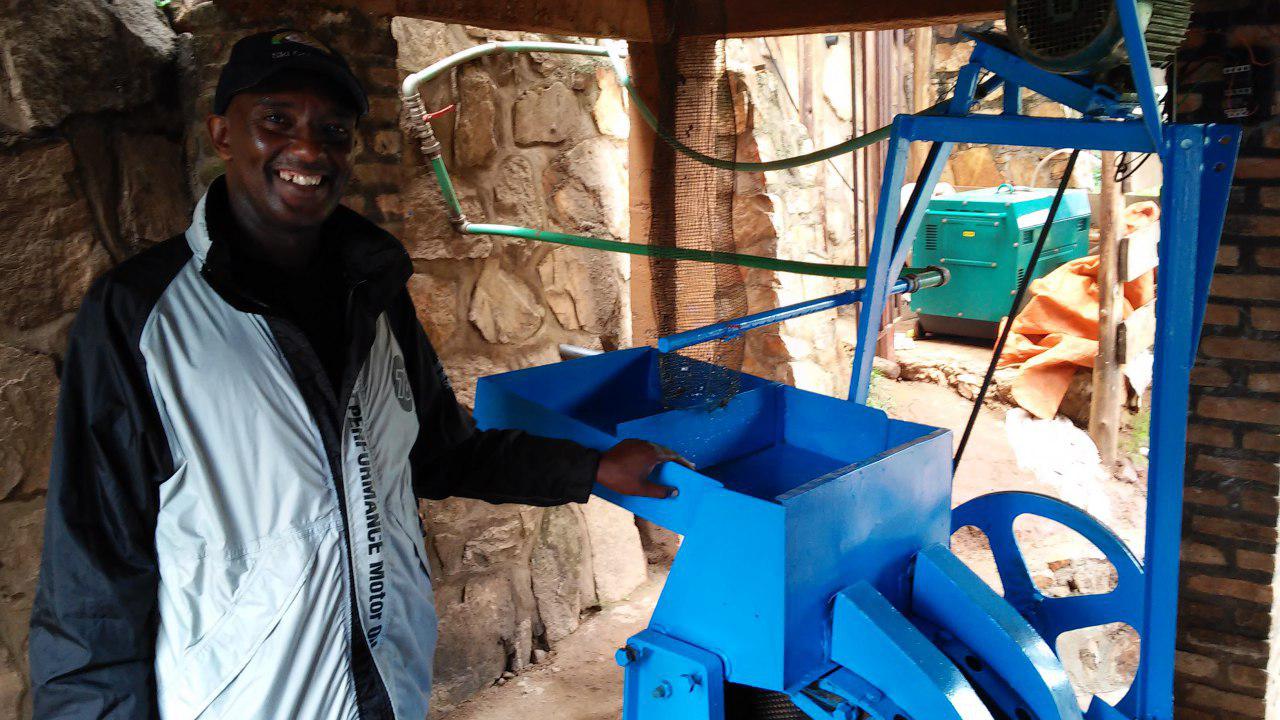
The project of our farm started in 2004, when we began planting coffee bushes. At that time I was still working for OCIR. In 2011 we built a small water mill, in 2012 we exported a small amount of green coffee to the USA, for Stumptown Coffee Roasters and won second place in the Cup of Excellence 2012. This encouraged us to increase production.
What was your first experience with coffee?
I became interested in coffee during my studies, when I studied agronomy. I worked as an agronomist from 1998 in OCIR. In OCIR I initially worked as an advisor for cooperatives (editor's note: a very frequent model in Rwanda), which associate small growers. I learned most of what I know about coffee in OCIR.
How does Huye Mountain work? How many people work on the farm and how many families cooperate with you?
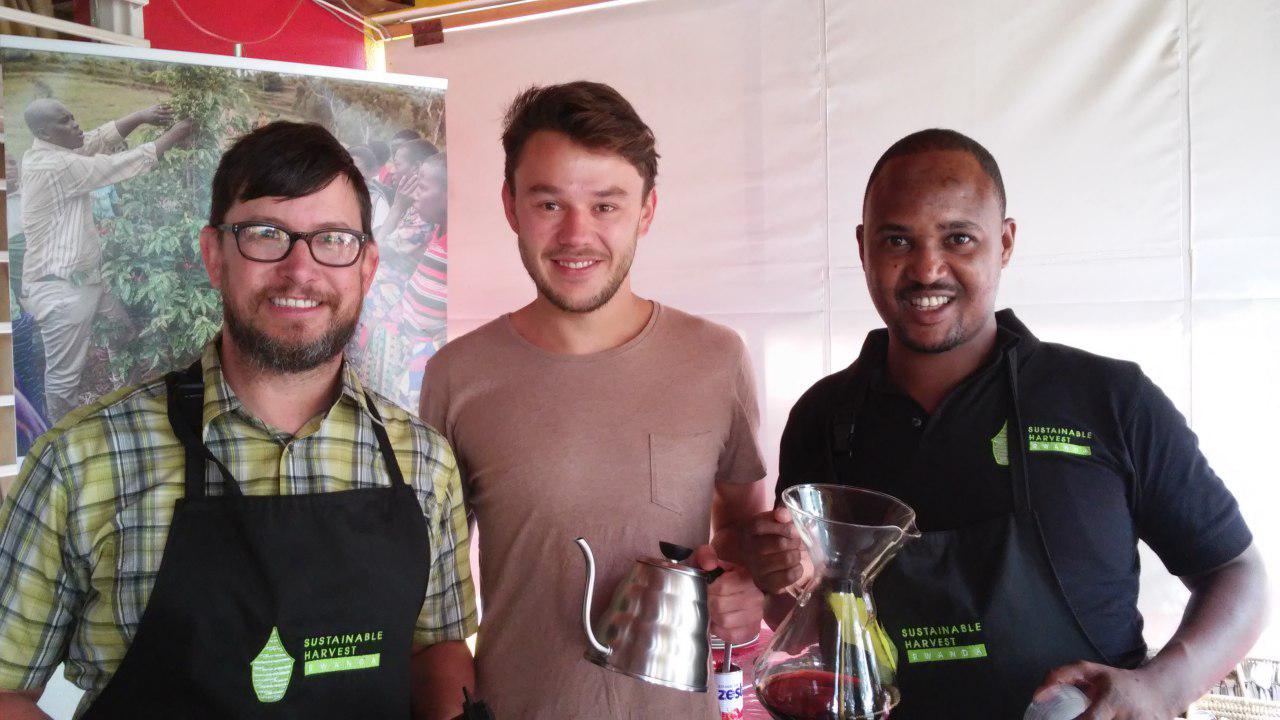
Besides our own plantation, we cooperate with 1300 smallholder farmers in the area. We provide these farmers with everything necessary for cultivation – from young bushes to training. Thanks to this model, our production is diversified, from the single-origin Huye Mountain Gako to the Huye Mountain Specialty Blend, which mixes the best coffee from our small growers according to a precise ratio. During the harvest season, we focus on sorting, processing, washing, and drying the coffee beans. We then sell these beans to international buyers. We pay the smallholder farmers for every kilo of coffee they sell to us. At the end of the season, after selling to foreign traders, we pay the farmers a bonus and a second payment, which depends on the final selling price.
Do you have social programs for farmers?
Yes, we have a community program through which we contribute to farmers' health insurance, especially for their children. Furthermore, a training program through which we teach them to grow and achieve higher and better quality yields. We started a program through which we teach farmers to save money and last but not least we contribute to school fees for children.
Do you think it is important to reflect new knowledge about growing and processing coffee? Where do you draw it from?
First of all, I communicate intensively with people who buy coffee from us - what standards they have, what they are looking for, where we could improve according to them. Often these are people who have visited many coffee countries where they buy. I have a plan for the future to visit various farmers with whom we could exchange knowledge on how to increase quality or technical skills.
You are developing a new concept of coffee tourism. Tell us more about this project.
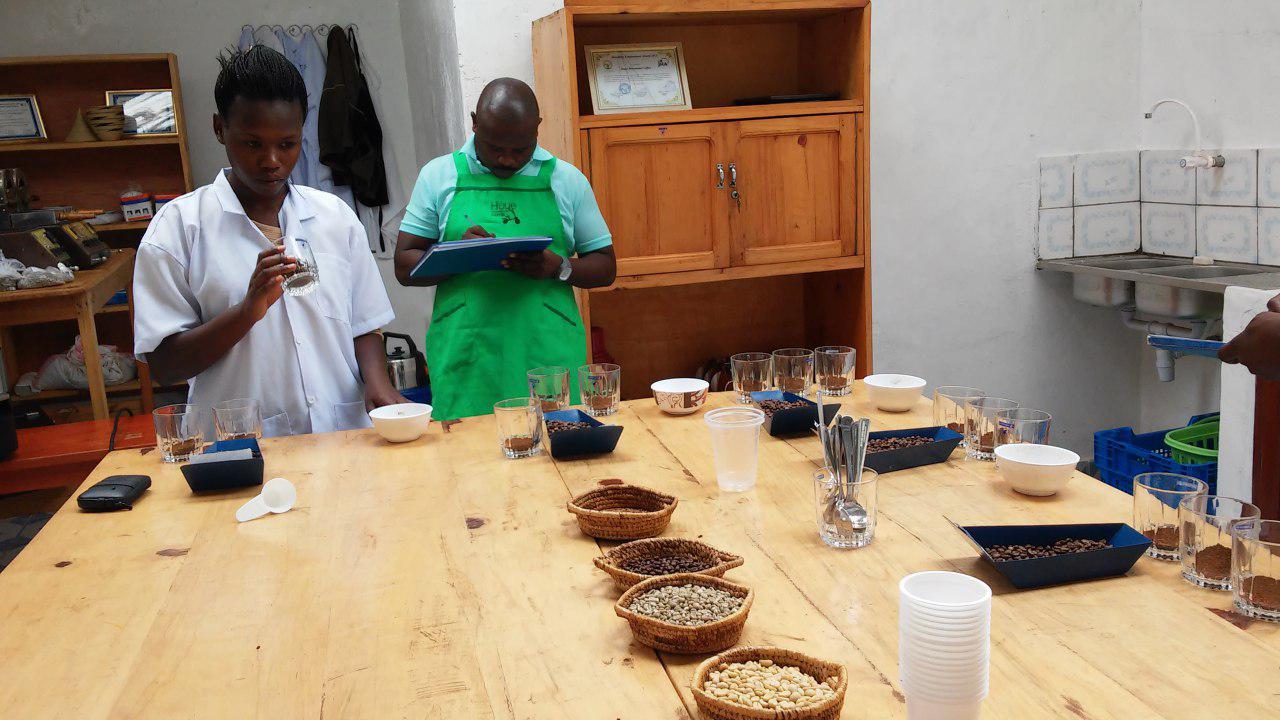
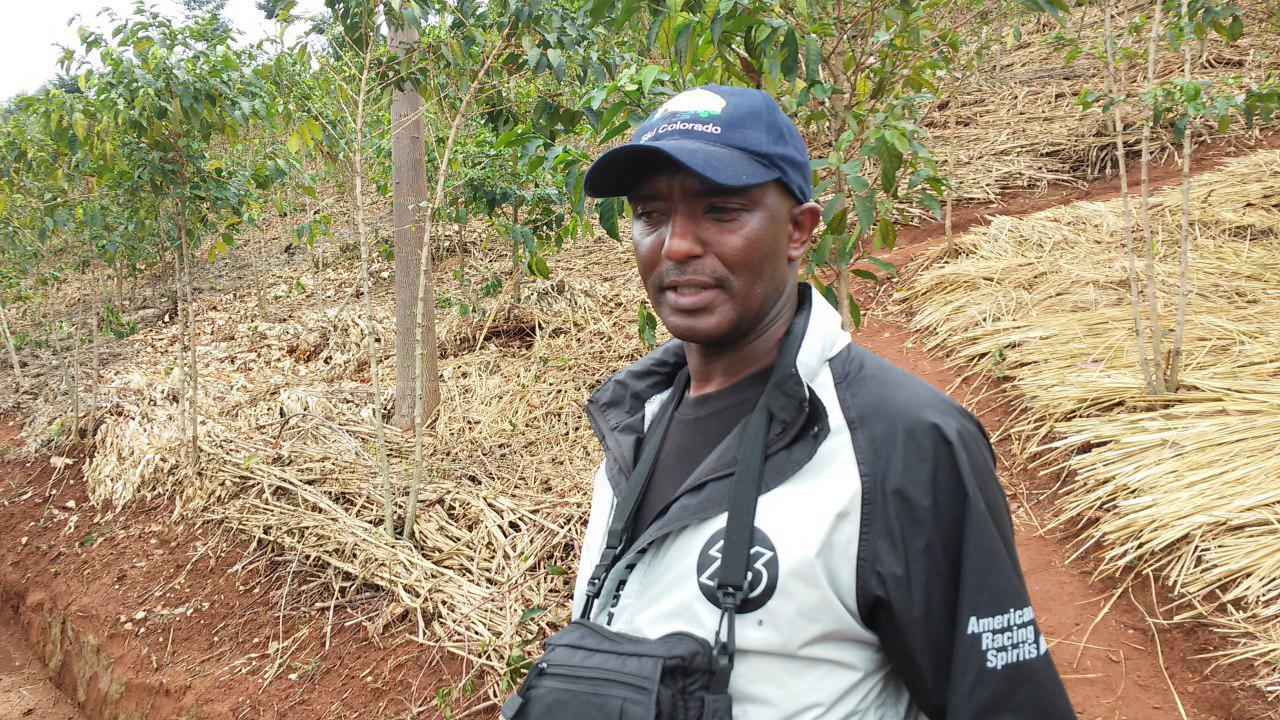
It is the latest addition in an effort to diversify our corporate activities and ensure stability for the future. We have created a tourist route for coffee lovers and tourists visiting Rwanda. During this trip, you will learn directly on the plantation how coffee grows, how we harvest, dry, and roast it. It is an educational program where you learn everything about growing coffee firsthand. Because coffee is grown at high altitudes, it is not just educational tourism, but tourism where you have to engage your muscles and fitness. Beautiful scenery awaits you at the top. And freshly brewed coffee at the end of the tourist route.
Why is your coffee special?
Because we pay extreme attention to quality control, at all levels from the coffee bush to the final cup of coffee.
Can we compare the Rwandan coffee industry in the past and present? What future do you predict for it?
The past and present are very different. Before the genocide, 100% of production was intended for the regular market. Now we grow specialty coffee, which carries added value in its quality and also has a higher price. I think Rwandan coffee has a bright future because government institutions pay a lot of attention and funding to the coffee industry. And similarly, we, the private sector, are very committed to increasing the quality of our coffee.
And what are you doing right now? What is the weather like? When does the harvest begin? (editor's note: the interview took place on Feb 19, 2015)
The weather is very nice, sunny. We start the harvest season on Monday, February 23. I am currently preparing the logistics. From this season we will have 2 water mills, I constructed the second one myself. I hope we will increase quality and quantity. Our goal is 70 tons of very high-quality, specialty coffee, which we will export after the season. Hopefully also into the cups of your readers.
The interview was originally published in Standart magazine issue2
[trx_button type="square" style="filled" size="large" color="#FFFFFF" bg_color="#0188CF" align="center" link="https://www.goriffee.com/produkt/rwanda-huye-mountain-natural/" popup="no" top="inherit" bottom="inherit" left="inherit" right="inherit"]Buy Rwanda from David[/trx_button]


