


Why the price of coffee is rising: What is behind the price increases in 2025?

Peter from Goriffee | December 30, 2024
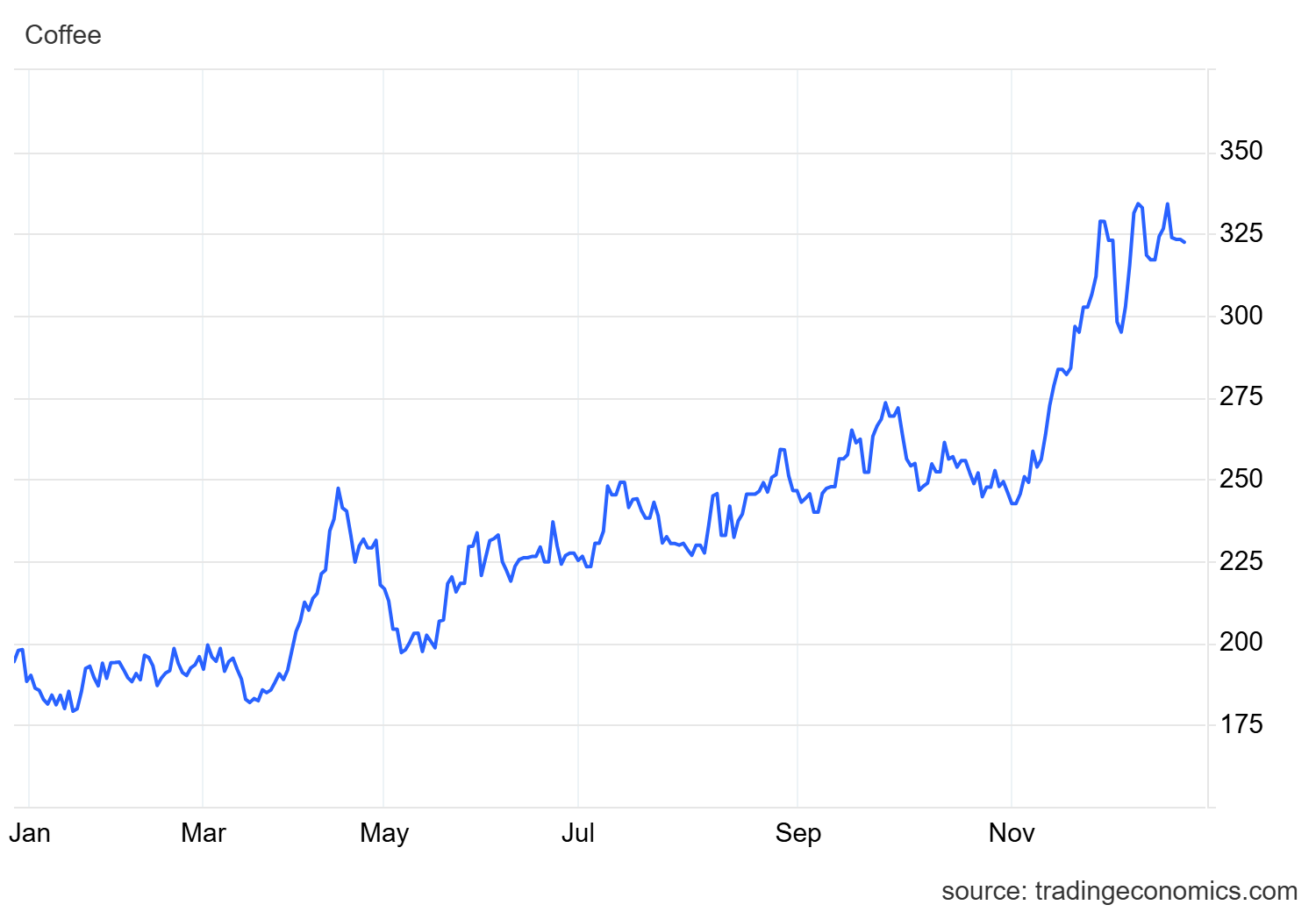
We would like to inform you in advance about the upcoming changes in the prices of some of our coffees, which will take effect from January 1, 2025. We proceeded to increase prices only after careful consideration of all circumstances and knowing that it may affect our customers. This decision was not easy, but it became a necessity due to several factors that affect the entire process - from growing and processing coffee to its distribution. In the following lines, we bring you a detailed overview of the main causes of this development.
Why are prices increasing?
Record drought in Brazil

Brazil, the world's largest coffee producer, is facing its worst drought in seventy years. Irregular weather and extremely low rainfall have significantly affected the coffee crop. The lack of moisture has caused coffee trees to bloom less, which will significantly affect not only the current but also the future season. Arabica production is expected to see a drastic decline in the coming year.
In addition to lower yields, the drought also complicates the harvesting process itself. Many farms have to cope with higher irrigation costs and lower labor efficiency, which, together with global shortages, pushes coffee prices to historical highs. Moreover, this situation threatens the long-term sustainability of coffee cultivation in Brazil's most important growing regions.
Adverse conditions in Vietnam
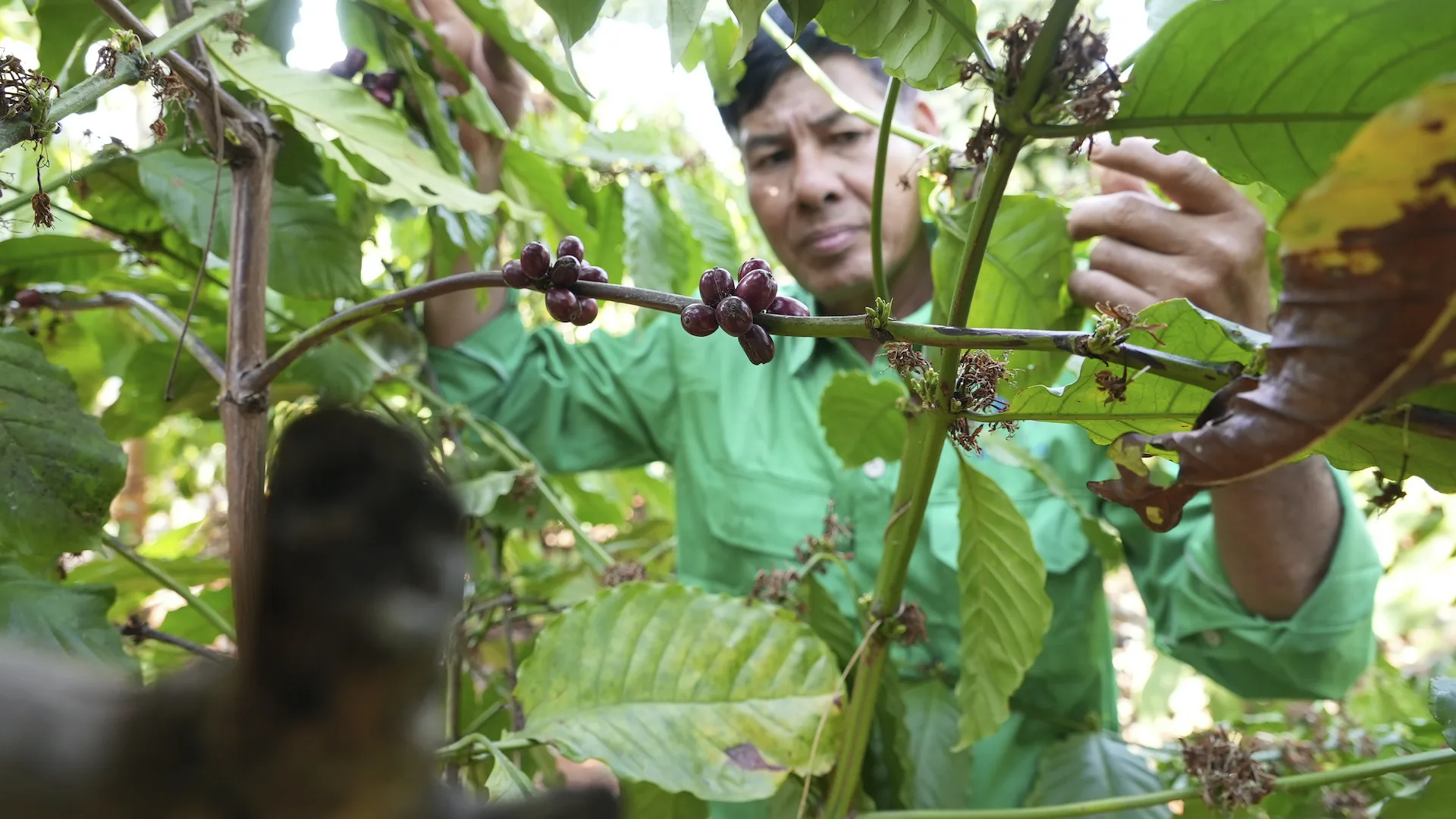
Vietnam, the world's second-largest coffee producer, is facing significant challenges due to adverse climatic conditions. A period of drought was followed by intense rains, which negatively affected the quality and quantity of the crop. These factors caused robusta prices on the London Stock Exchange to reach 5 041 USD per ton in December 2024, representing an increase of 0,66% compared to the previous period.
Despite these challenges, Vietnamese farmers are trying to adapt to the situation and maintain production at a competitive level. Coffee prices are expected to continue to rise, which could have an impact on the global market and consumers worldwide.
Rising energy costs and legislative changes
Slovak entrepreneurs are facing increasing pressure resulting from legislative changes that directly affect product prices, including coffee. New tax measures and rising business costs are forcing manufacturers and distributors to pass these expenses on to final prices.
One of the main factors is the introduction of a transaction tax, which increases costs at all stages of the supply chain. Every transaction, from purchasing raw materials to selling the finished product, is burdened with additional fees, increasing overall production and distribution costs.
Another significant factor is the increase in VAT (value-added tax) rates on certain product categories, which directly affects the final price for consumers. For the coffee industry, where costs are calculated per ton of imported and processed material, even a slight increase in VAT has a fundamental impact.
In addition, businesses are facing increased energy costs, which are among the highest in the region. Roasteries, distribution centers, and retailers have to manage higher operating expenses, which naturally increases final product costs.
These legislative and tax measures, along with inflation, create pressure on business entities that can no longer absorb these costs without passing them on to prices. Coffee, as a globally traded product, is no exception and must reflect the reality of local and international economic changes.
Global food price increases
Like other foods, coffee is facing rising costs from growers and distributors, reflecting the global trend of price increases. Climate change, such as droughts and floods, disrupts production stability and leads to lower yields. Moreover, rising fuel and logistics service prices increase transportation costs, which translates into final prices. Inflation and the weakening of local currencies against the dollar, the main trading currency for coffee, make its import even more expensive. This pressure is complemented by growing global demand for specialty foods, which production often cannot satisfy. Geopolitical tensions and disrupted supply chains only exacerbate these problems, making price increases inevitable.
We have tried to mitigate these changes as much as possible, but the impact of global conditions was too great for us to fully absorb them. Thank you for your understanding, and we believe that the quality of our coffee will continue to be what you value most about us.

