


The impact of caffeine on sports performance: why coffee is the best partner for cycling and the gym

Peter from Goriffee | February 5, 2026
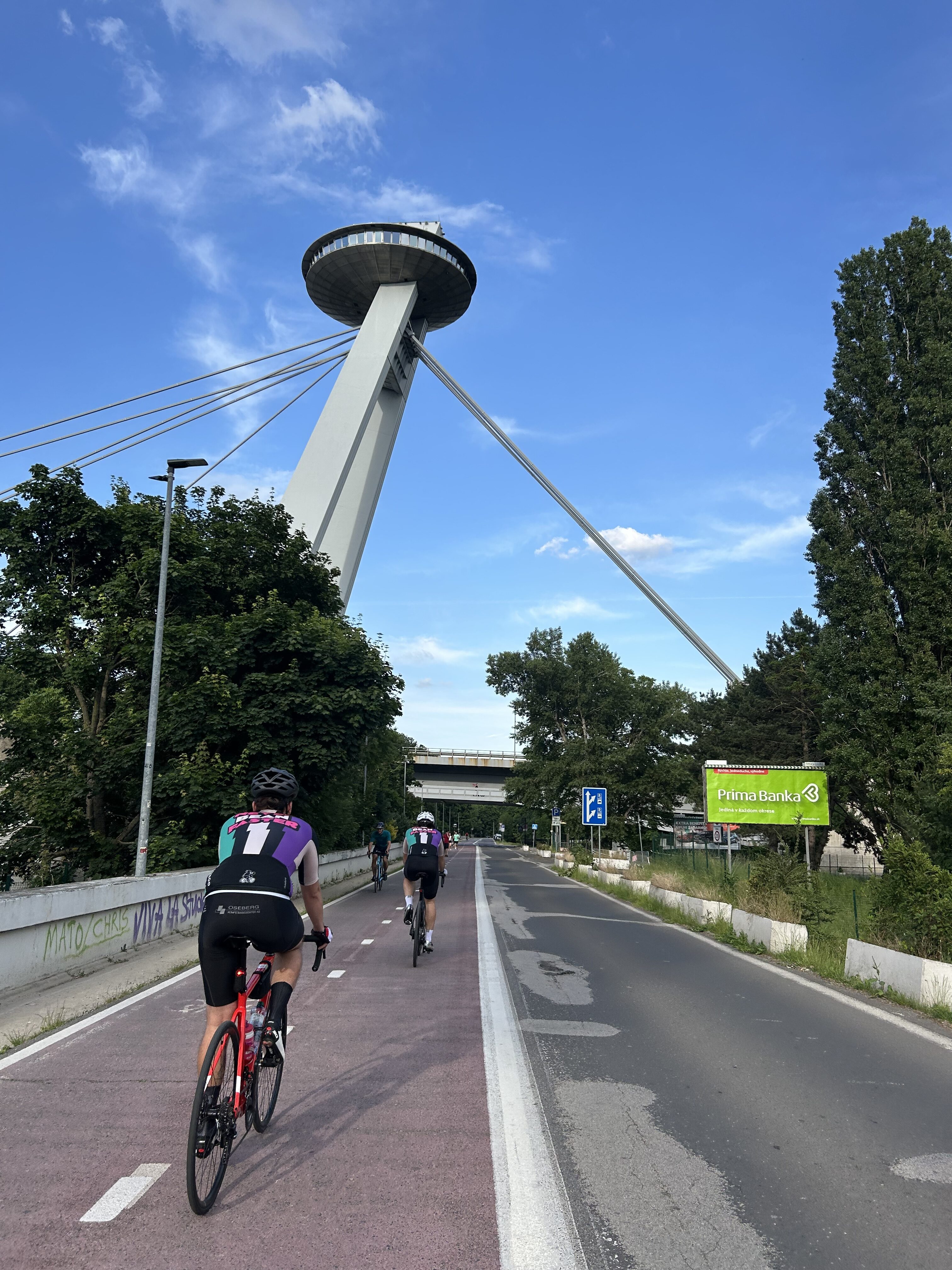
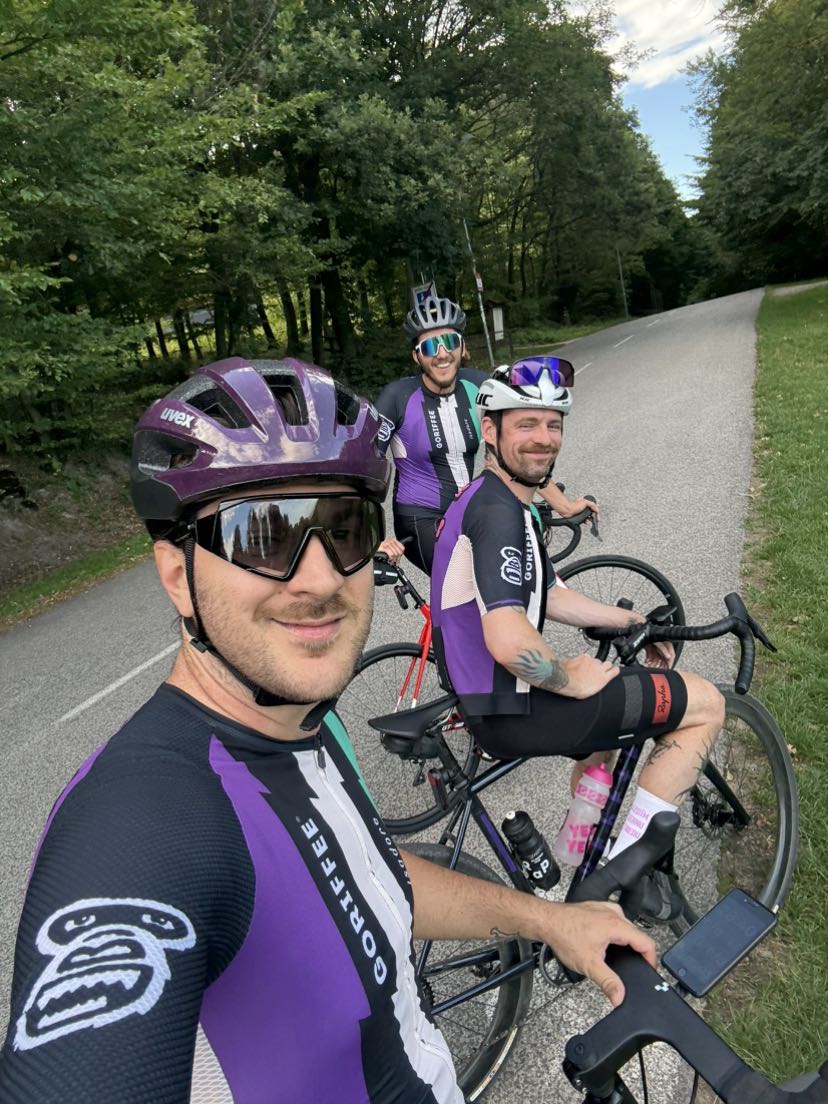
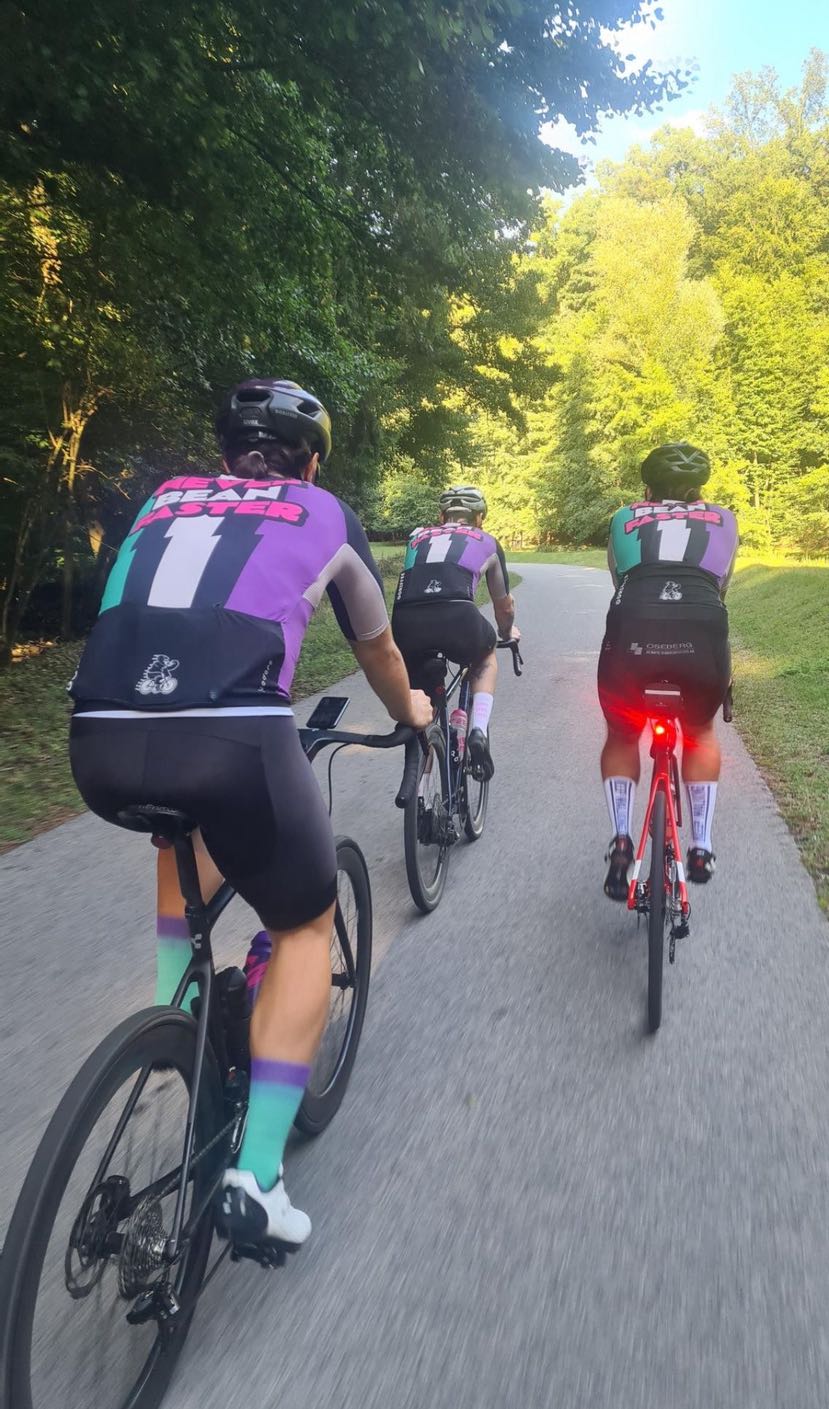
At Goriffee, we are not just roasters and lovers of tasty beans. We are primarily a community of people who love movement. Many of us actively play sports, run, or spend weekends in the saddle of a bike on the climbs in the Little Carpathians. That's exactly why we know that coffee and sports belong together as naturally as espresso to a good morning.
Caffeine is probably the most researched legal performance-enhancing substance in the world. If you know how to use it correctly, it can be your secret engine – whether you are preparing for a marathon in Bratislava or an intense workout in the local gym. In this article, we will look at how specialty coffee it affects your body during exertion and how to get the most out of it.
How caffeine actually works in the body
The basic mechanism of caffeine is its ability to block adenosine receptors in the brain. Adenosine is a substance that accumulates in the body during the day and causes a feeling of tiredness. When caffeine occupies these receptors, the brain does not receive the signal that it is exhausted.
For an athlete, this means several benefits at once:
- Reduction of perceived effort: A workout that would normally hurt you suddenly seems a bit more bearable.
- Improved neuromuscular transmission: Caffeine helps muscles activate more efficiently.
- Increased fat oxidation: Caffeine stimulates the release of free fatty acids into the blood, which the body uses as fuel, thereby saving precious muscle glycogen.
Benefits for endurance athletes and cyclists
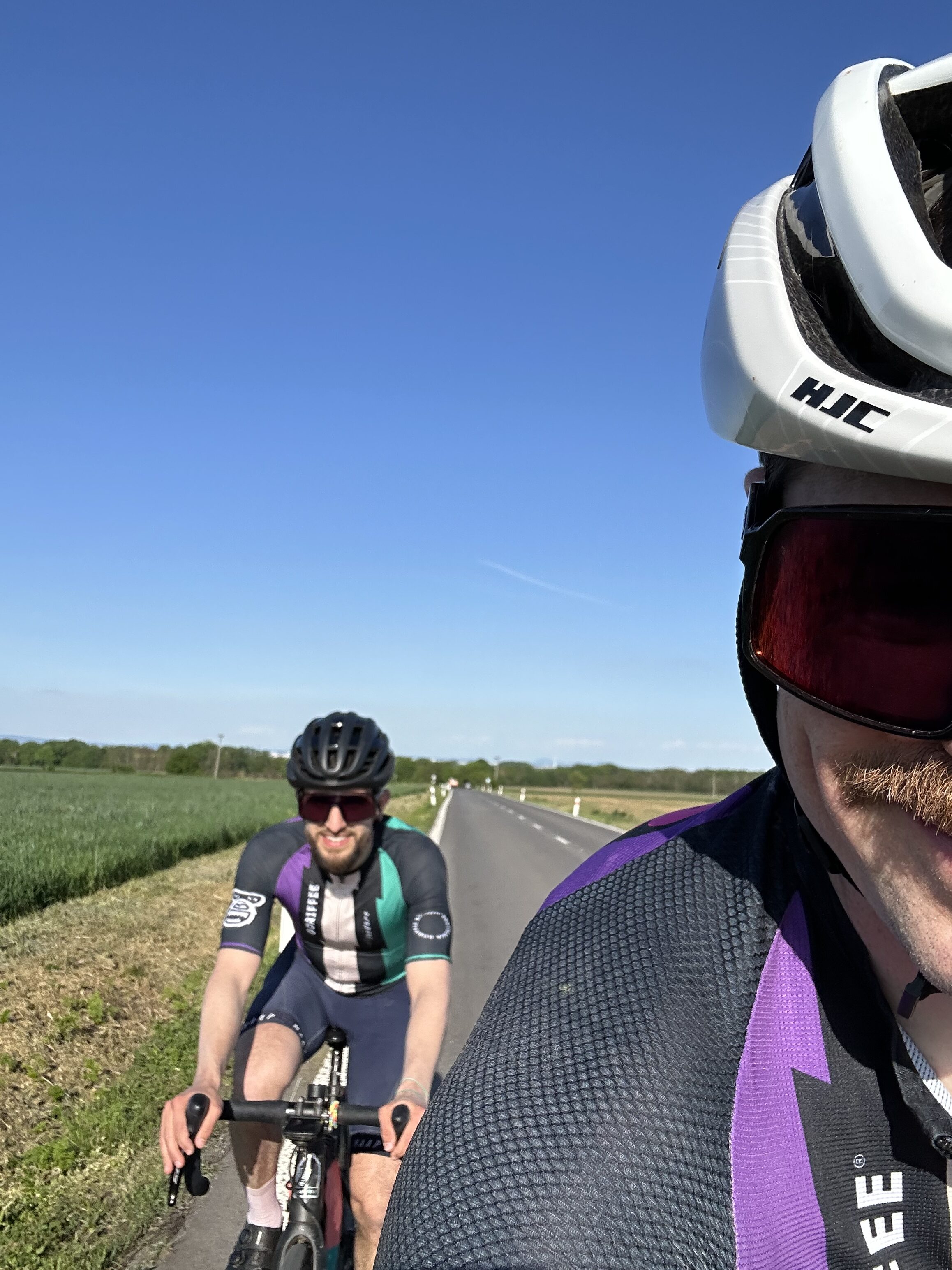
Cycling is connected to the world of coffee both historically and practically. We at Goriffee see during our rides around Bratislava that caffeine can extend the time to exhaustion by 10 to 20 %. On long routes, where every reserve of energy counts, a properly timed espresso is key.
In addition to endurance, caffeine also improves cognitive functions. When you are tired after three hours in the saddle, your attention drops. Quality freshly roasted coffee will give you back the necessary focus on riding technique and road safety.
Strength and explosiveness
Although caffeine has long been associated mainly with endurance, modern studies confirm its benefits in strength sports as well. It helps with maximum performance for one repetition and increases muscle endurance during sets with a high number of repetitions. If you are preparing for heavy squats, a double shot of espresso from our roastery can be more effective than most commercial pre-workouts full of artificial sweeteners.
Why bean quality matters
Many athletes make the mistake of reaching for any coffee. However, we at Goriffee emphasize that it should be specialty coffee. Why is this important for an athlete?
- No molds and defects: Cheap commercial coffee often contains beans with a high content of mycotoxins, which can irritate the stomach. During sports, digestive comfort is a priority.
- Consistent caffeine content: With specialty coffee, you know exactly what you are drinking. The lighter roasting we do often preserves a more complex profile of substances that work in synergy with caffeine.
- Taste without sugar: Specialty coffee tastes great on its own. You don't need to add sugar or milk, which are empty calories that can cause an insulin swing before performance.
You can read more about how bean processing affects the final taste and properties of the beverage on our coffee blog.
Timing and dosing: how to do it
For coffee to work as a stimulant and not as a brake, a few rules must be followed:
- Golden hour: The level of caffeine in the blood peaks approximately 45 to 60 minutes after consumption. Plan your cup so that you reach this peak at the moment of the hardest part of the workout.
- Amount: The recommended dose for performance enhancement is 3 – 6 mg of caffeine per kilogram of body weight. For a regular athlete, this represents one to two strong espressos.
- Hydration: The myth that coffee dehydrates has long been debunked. With regular consumption, the body builds a tolerance and the diuretic effect is minimal. Nevertheless, water should remain your main source of fluids.
45 – 60 minutes before performance
Caffeine calculation for training
kg
Total recommended dose of caffeine
225 – 450 mg
Single shot espresso
3.2 – 6.4 servings
3.2 – 6.4 servings
Filter coffee (250 ml)
1.3 – 2.6 cups
1.3 – 2.6 cups
Which coffee to choose?
Before performance, we recommend choosing filter coffee. Thanks to the larger volume of water, it helps with hydration and its preparation allows for more precise control over caffeine extraction. At the same time, it is gentler on the digestive tract during higher intensity movement. If you prefer a faster solution, a double espresso made from specialty coffee is an ideal alternative.
Coffee as a ritual and community
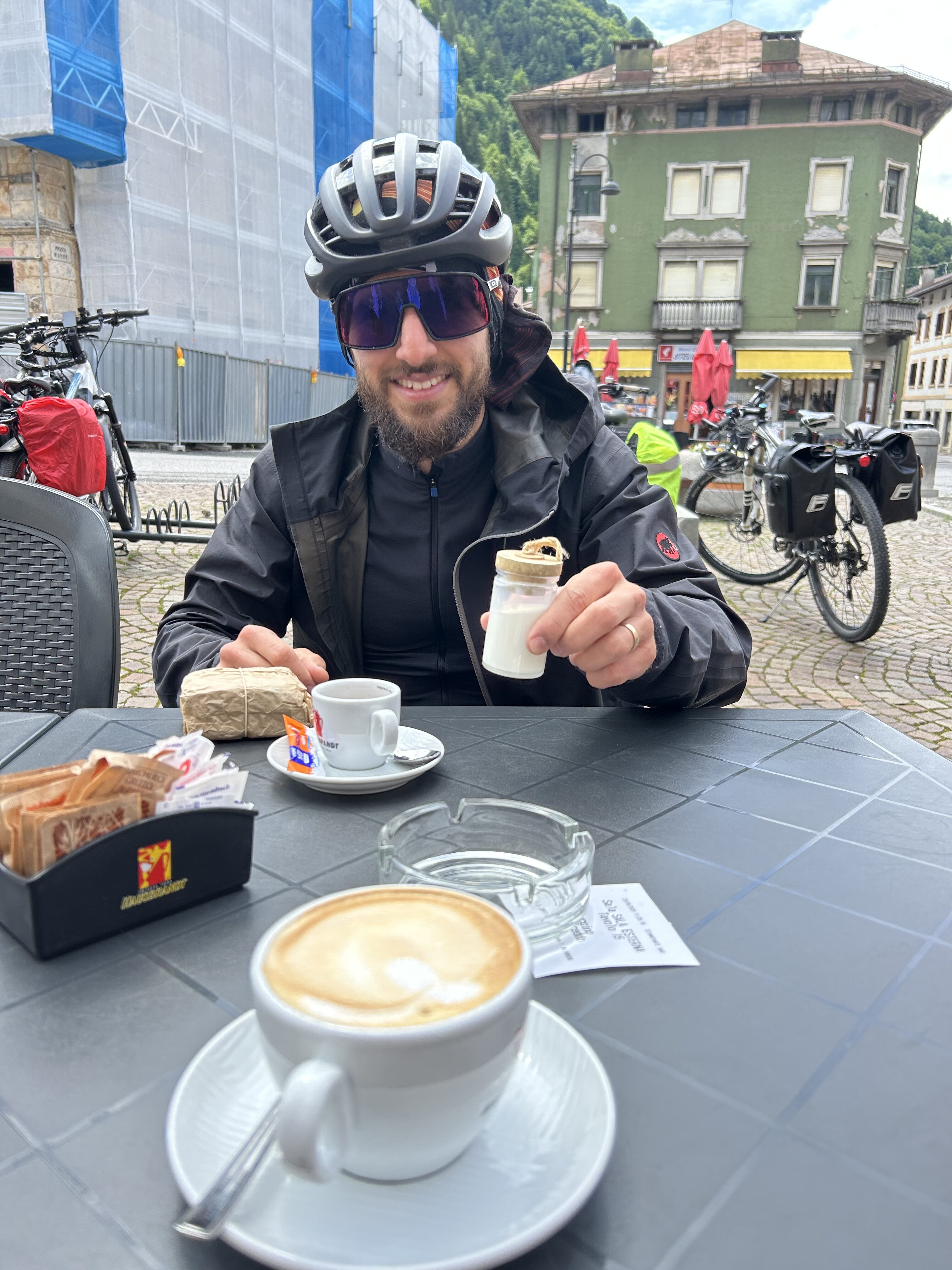
Sports are not just about numbers and performances, they are about community. Just as we at Goriffee meet at cuppings in our Bratislava headquarters, athletes meet at "coffee stops" during their rides. It is a moment of regeneration, socialization, and mental restart.
If you are looking for a way to push your limits, start with what you drink. Quality specialty coffee prepared with love and expertise will give you not only energy but also a clean taste that will kick you into the next kilometers.
Myths about drinking coffee during sports
There are many half-truths circulating about caffeine. Let's look at the ones we encounter most often at Goriffee.
1. Coffee causes dehydration of the body This is probably the biggest myth. Although caffeine has mild diuretic effects, in people who drink coffee regularly, the body builds a tolerance. The fluid you take in a cup of coffee counts towards your overall fluid intake. During sports, coffee does not cause fluid imbalance, as long as you don't forget to drink plain water as well.
2. The more coffee you drink, the better your performance In this case, more is not better. There is a so-called tipping point. Too high a dose of caffeine can lead to tremors, palpitations, anxiety, or stomach problems, which will rather worsen your performance than improve it. The ideal dose is individual, but moderation is key.
3. Espresso has more caffeine than filter coffee When it comes to concentration per milliliter, espresso leads. However, in sports, we are interested in the total volume of caffeine consumed. A cup of filter coffee has a larger volume and a longer extraction time, which often means that it ultimately contains more caffeine than a single small espresso.
4. Drinking coffee before a workout strains the heart In healthy individuals, caffeine slightly increases heart rate and blood pressure, which is a natural phenomenon during sports. Studies even suggest that regular consumption of high-quality coffee can have cardioprotective effects in the long run. However, if you have heart problems, consult a doctor first.
5. Coffee before performance causes digestive issues This myth is individual. While coffee helps kick-start the metabolism for some, it can cause discomfort for others. The solution is often switching to specialty coffee, which does not contain defective beans and molds, which are the main culprits of an upset stomach when drinking commercial coffee.
Frequently Asked Questions (FAQ)
Can I drink coffee before fasted cardio training? Yes, drinking coffee on an empty stomach before morning cardio training can support fat oxidation. Caffeine mobilizes fatty acids, which the body then uses as an energy source. However, if you have a sensitive stomach, we recommend supplementing the coffee with at least a small bite of food.
Does milk in coffee reduce the effects of caffeine? Milk can slightly slow down the absorption of caffeine into the blood, leading to a more gradual onset of energy. However, the stimulating effect itself does not disappear. If you are looking for a quick "kick", choose a pure black espresso or filter.
How long before sports should I drink coffee? The ideal time is 45 - 60 minutes before the start of physical activity. This is the time it takes for the caffeine level in the blood to reach its maximum. If you have a very long performance ahead of you (for example, all-day cycling), you can replenish coffee continuously in smaller doses.
Should I have coffee after a workout too? The combination of caffeine and carbohydrates after performance can accelerate the replenishment of muscle glycogen. This means that coffee with a quality dessert after a long run is not just a reward, but also an effective way to kick-start recovery.
Can the body get used to caffeine and stop reacting to it? Yes, regular drinking builds tolerance. If you feel that coffee no longer has the right effect, try completely cutting out or significantly reducing caffeine for 7 - 10 days. Your receptors will "reset" and upon returning to your favorite cup, you will feel its full strength again.
Coffee as fuel for your progress
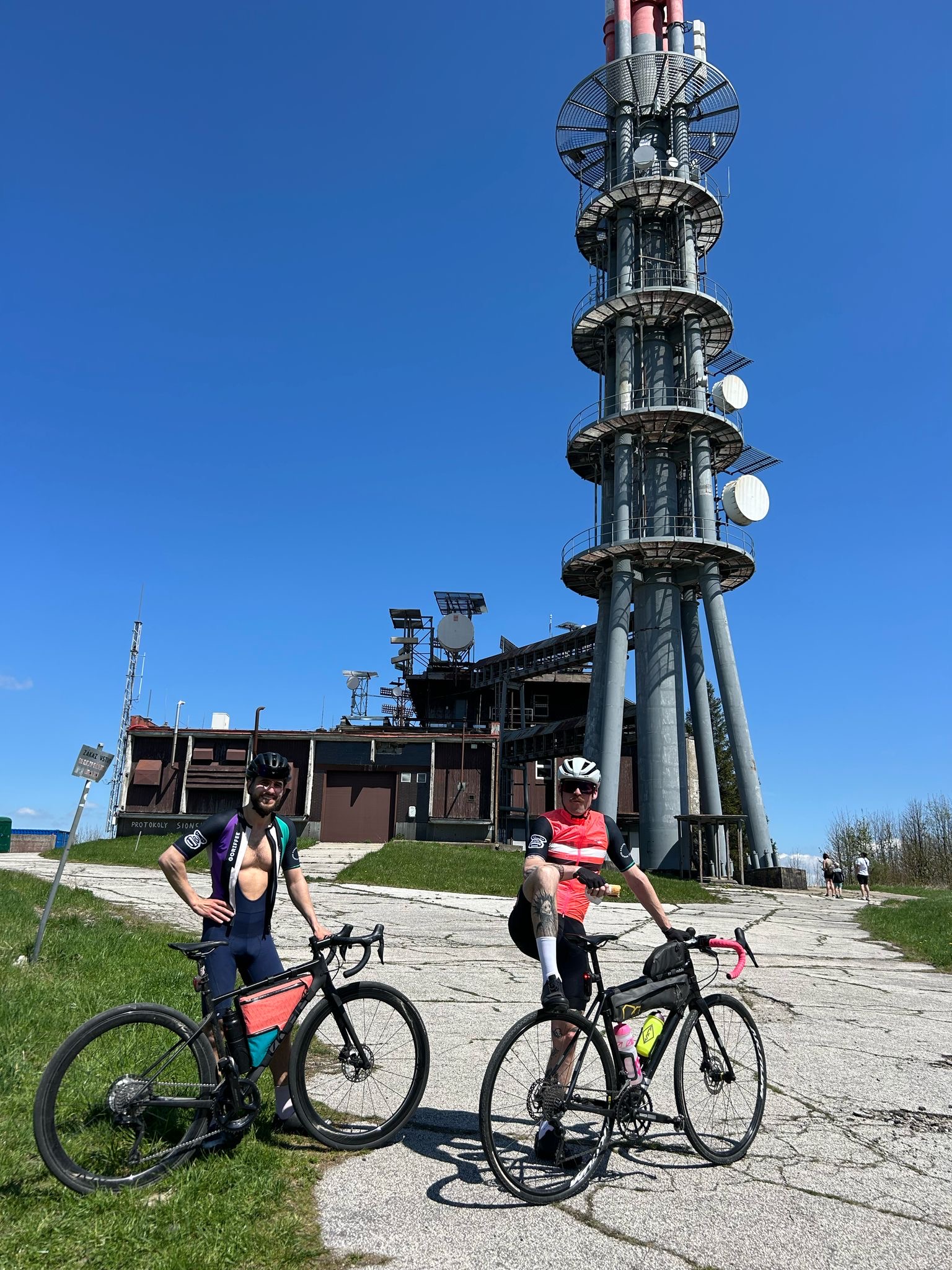
At Goriffee, we believe that sports and specialty coffee are about finding quality in every detail. Next time you are preparing your gear for a workout, do not forget your favorite beans. Your body will thank you on the next climb.
External expert sources for deeper study
For those who want to dive into the scientific facts about the impact of caffeine on the human body, we recommend the following expert materials:
PubMed Central (NCBI): Meta-analysis of caffeine's effects on exercise - Analysis of dozens of studies confirming a positive impact on strength and endurance.
International Society of Sports Nutrition (ISSN): Position stand: caffeine and exercise performance - Comprehensive scientific overview of caffeine dosing and effects.
Journal of Applied Physiology: Studies focused on glycogen and muscle recovery after performance in combination with caffeine.

