Coffee processing, or how the skin and pulp are separated from the coffee bean, is one of the most important aspects of its cultivation. How coffee is processed can have a dramatic impact on the final quality and taste. Let's introduce the most common coffee processing methods.
The goal of coffee processing is to separate the coffee bean from the cherry and increase its flavor potential. Even if the coffee was perfectly grown, perfectly ripened, and its harvest was really good, bad coffee processing can lead to defects that reduce its value and greatly affect farmers' earnings. Some processing methods require more time, investment, and natural resources. Choosing the right processing is a key factor for producers.
Natural process
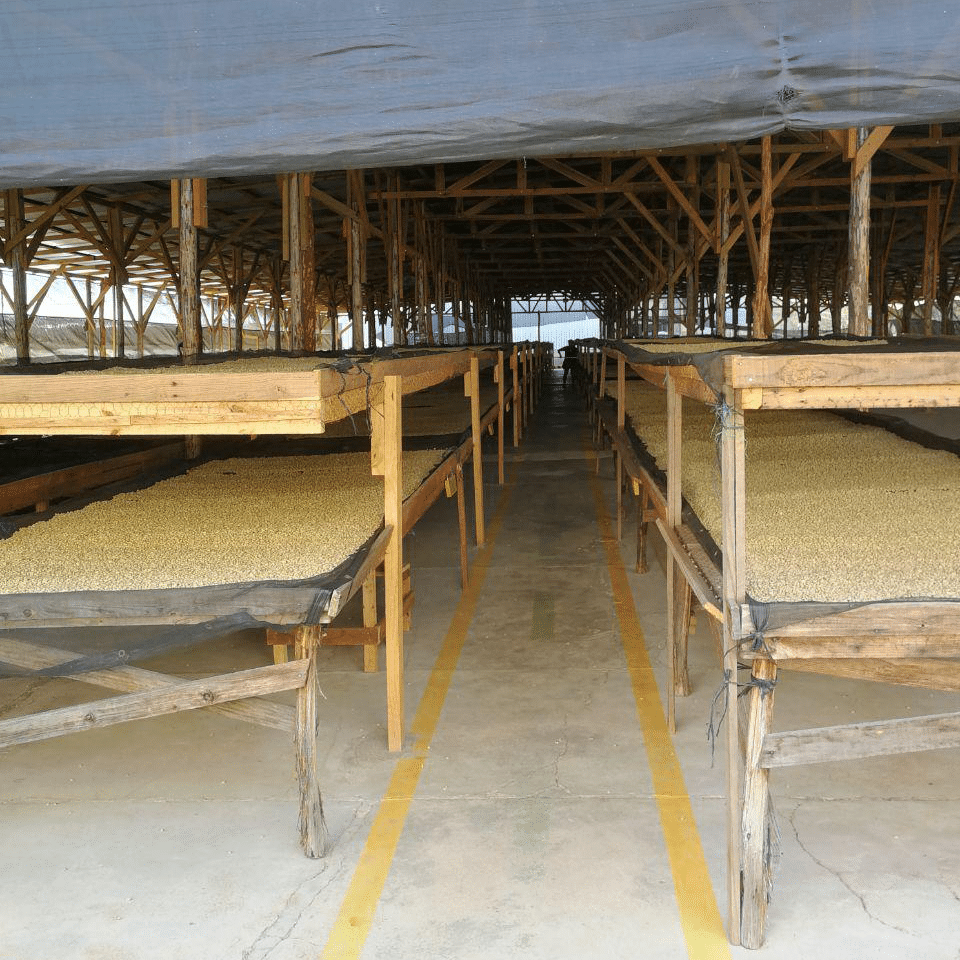
Also known as dry. This is the oldest method of coffee processing. After harvesting, the coffee beans are spread out in a thin layer to dry in the sun. Some producers spread them on brick patios, others use special raised drying beds, which ensure better airflow around the cherries. This leads to more even drying. The cherries must be turned regularly to prevent mold, fermentation, or rot. Once the coffee is properly dried, the outer skin is mechanically removed. The raw coffee prepared in this way is stored before export.
This method of coffee processing is mainly used by countries with limited access to water. In these areas, it is often the only possible procedure. It has the largest representation in Ethiopia, and Brazil. Our novelty from Guatemala.
Coffees processed in this way often have fruity flavor characteristics. In the taste, we can find, for example, blueberries, strawberries, or tropical fruit. Everything, of course, depending on the area where the coffee was grown.
Washed process
The goal of the washed process is to remove the pulp even before drying. This significantly reduces the likelihood that something will go wrong during drying, so the coffee will probably be of higher quality.
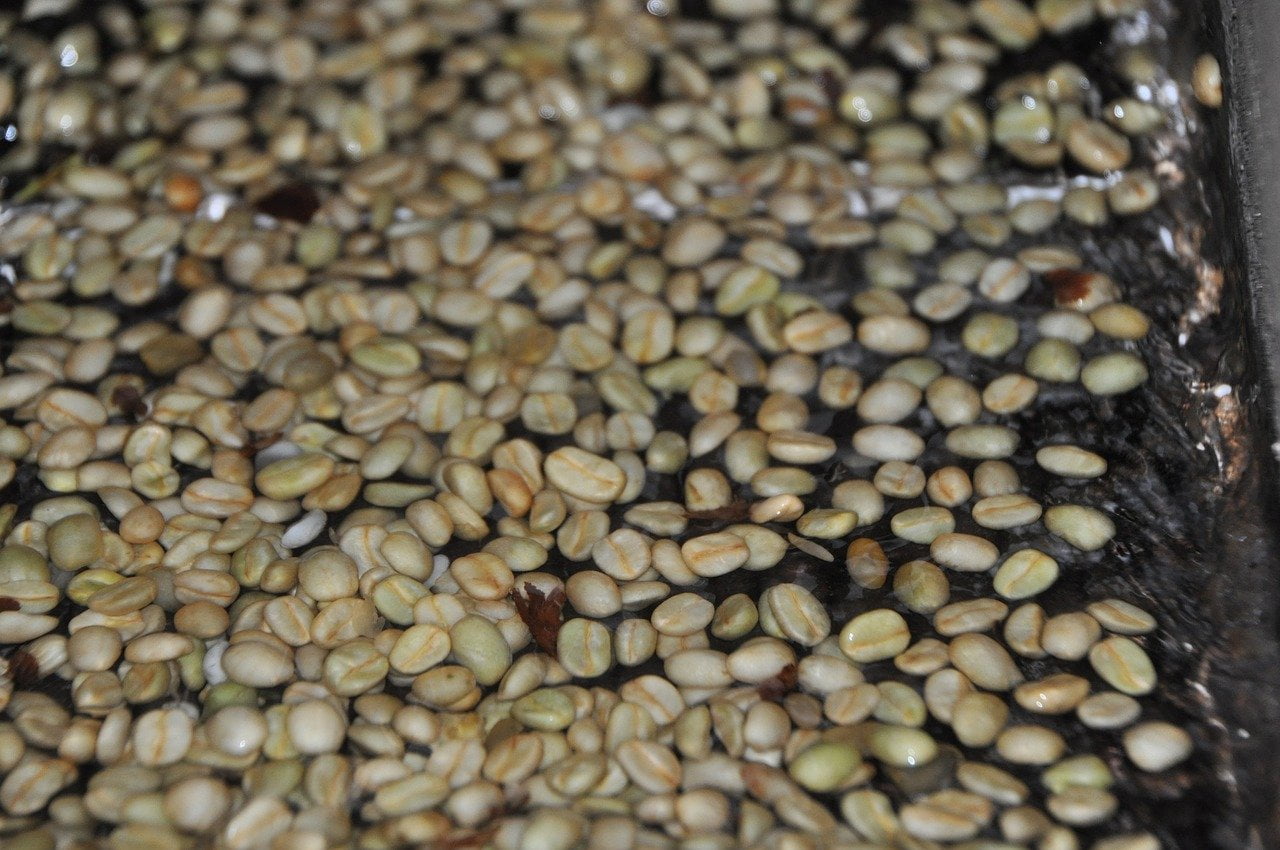
However, this particular process is much more expensive than the others. After harvesting, the coffee is poured into large pools of water. Unripe coffee cherries along with various impurities float to the surface and are separated. The outer skin and most of the pulp are then removed using a machine called a "depulper". The coffee is then moved to a water tank, where the remaining pulp is removed by fermentation.
The pulp contains a lot of pectin and is firmly attached to the bean. However, fermentation will break down the remaining pulp sufficiently. Producers use varying amounts of water during fermentation, and there are some environmental concerns regarding this method, partly due to the potential amount of wastewater, which can be toxic, but conscious producers filter this water before releasing it into nature.
The length of fermentation depends on several factors, including altitude and ambient temperature. The warmer it is, the faster the process will take place. Too long fermentation can negatively affect the final taste of the coffee. There are many different methods to check when it is appropriate to end the fermentation process. One way is for the producer to insert a wooden stick into the tank, and if it stands up, supported by slightly gelatinous water full of pectin, the process is complete.
After fermentation, the coffee is washed. Then the coffee is ready for drying. This is usually done in the sun by spreading the coffee on brick patios or raised drying beds. Just like in the natural process, the coffee must be turned regularly using large rakes to ensure slow and even drying.
Many producers of high-quality coffee choose the wet process in an effort to reduce the number of defects when processing coffee. This process however, also has a fundamental impact on the quality of your cup of coffee. Compared to other processes, wet-processed coffees have a higher level of acidity and are more complex in taste, leading to a much cleaner taste. Cleanness is a term used in coffee to indicate the absence of negative flavors, such as bitterness and astringency.
"Removing the skin and parts of the pulp using a depulper"
Hybrid processes
Pulped natural
This process, which is mainly used in Brazil, is the result of experiments carried out by a coffee processing equipment manufacturer called Pinhalense. The goal was to produce high-quality coffee using less water than is used in the washed process. After harvesting, the coffee is mechanically stripped of its outer skin and a large part of the pulp. After that, the coffee is dried straight away on brick patios or raised beds. With less pulp content around the bean, the risk of defects is reduced, yet there is still enough sugar in the residual pulp to make the coffee noticeably sweeter and have a more pronounced body. This process also requires careful drying.
Honey process
The process is very similar to the previous one. It is used in many Central American countries, including Costa Rica and El Salvador, but you can also find it, for example, in Rwanda. The skin and part of the pulp are also mechanically removed from the coffee, but this method uses even less water than when using the "pulped natural" process. Pulp removal machines can usually be set so that a certain percentage of pulp remains around the coffee bean. The resulting coffee is then labeled according to how much pulp was left on it. For example, 10% honey or 20% honey and the like. If a larger amount of pulp remains on the beans, there is a higher risk of fermentation and defects when drying the coffee.
Semi-washed process
In this coffee processing method, similar to the washed process, the outer skin is removed from the coffee, the mesocarp (pulp) remains on the parchment (the lower part of the pulp), and it is dried in the sun this way. Unlike other processes where the coffee is dried to 11-12%, in the semi-washed process the coffee is dried only to 30-35%. After drying, the coffee is stripped of the pulp and parchment. This is followed by a second drying phase in which the coffee is dried enough so that it is not subject to mold or rot. After the second drying, the coffee acquires a deep dark green color, which is a typical sign of this process. This processing method highlights the body and intensity of the coffee. It is commonly found especially in Brazilian and Indonesian coffees.
In future blogs, we will take a closer look at experimental and exotic processing, as well as processes that can remove caffeine from coffee.
Erik from Goriffee
Co-founder of the Goriffee roastery. He is in charge of purchasing green coffee, its precise selection and final choice. He regularly visits coffee farms all over the world. He then uses his experience as a QC specialist in quality control and flavor profiling, thanks to which only the best specialty coffee reaches you.
Na ukladanie a/alebo prístup k informáciám o zariadení používame technológie ako cookies. Robíme to s cieľom zlepšiť zážitok z prehliadania a zobrazovať (ne)prispôsobené reklamy. Súhlas s týmito technológiami nám umožní spracovávať údaje, ako je správanie pri prehliadaní alebo jedinečné ID na tejto stránke. Nesúhlas alebo odvolanie súhlasu môže nepriaznivo ovplyvniť určité vlastnosti a funkcie.
Funkčné
Vždy aktívny
Technické uloženie alebo prístup sú nevyhnutne potrebné na legitímny účel umožnenia použitia konkrétnej služby, ktorú si účastník alebo používateľ výslovne vyžiadal, alebo na jediný účel vykonania prenosu komunikácie cez elektronickú komunikačnú sieť.
Predvoľby
Technické uloženie alebo prístup je potrebný na legitímny účel ukladania preferencií, ktoré si účastník alebo používateľ nepožaduje.
Štatistiky
Technické úložisko alebo prístup, ktorý sa používa výlučne na štatistické účely.Technické úložisko alebo prístup, ktorý sa používa výlučne na anonymné štatistické účely. Bez predvolania, dobrovoľného plnenia zo strany vášho poskytovateľa internetových služieb alebo dodatočných záznamov od tretej strany, informácie uložené alebo získané len na tento účel sa zvyčajne nedajú použiť na vašu identifikáciu.
Marketing
Technické úložisko alebo prístup sú potrebné na vytvorenie používateľských profilov na odosielanie reklamy alebo sledovanie používateľa na webovej stránke alebo na viacerých webových stránkach na podobné marketingové účely.