Specialty coffee from Kenya: How Amir and Jakub looked for the best lots of the season right on the farms
Amir Jabri | 1 February 2026
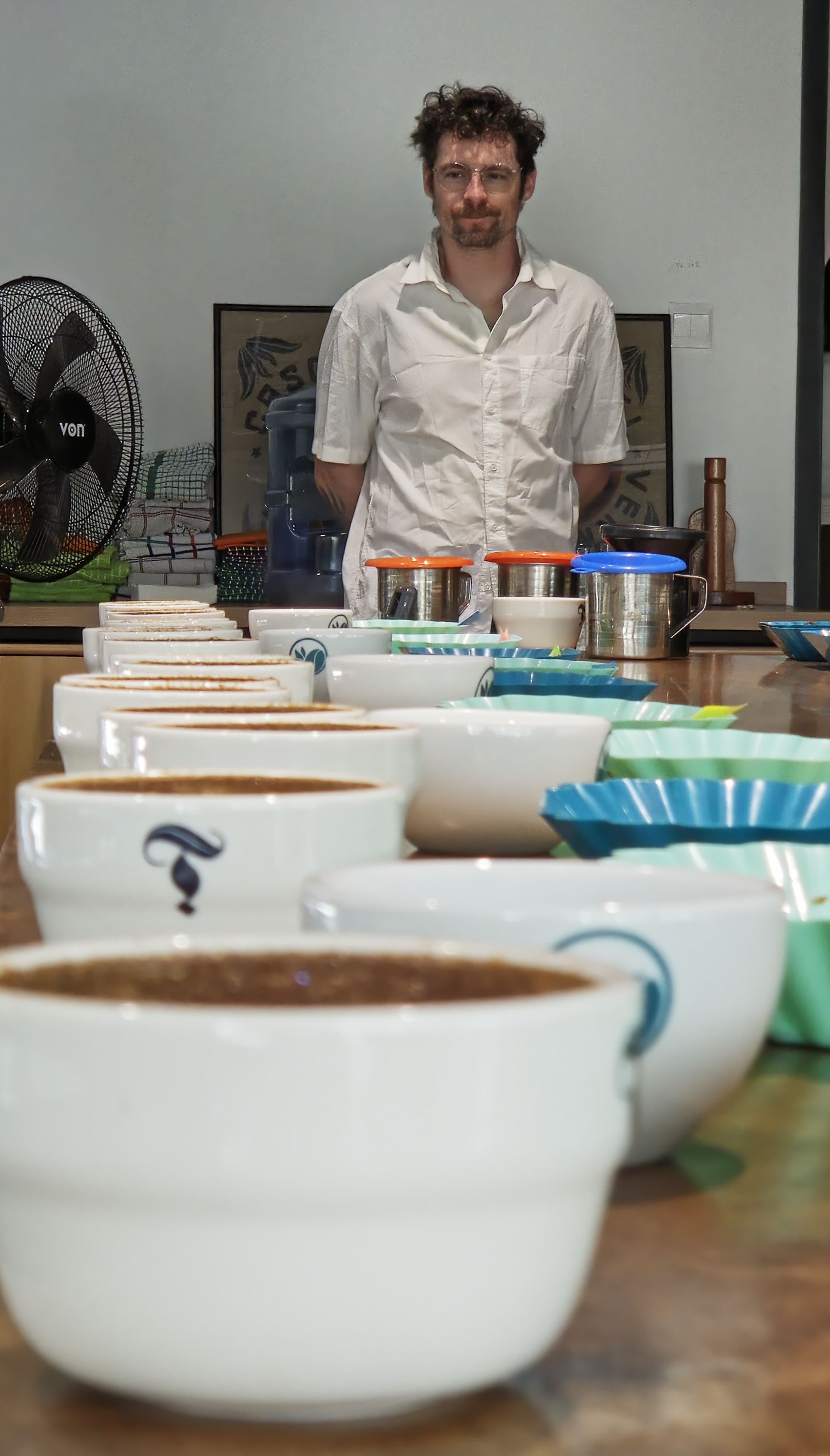
At the end of January, our roasters Amir and Jakub exchanged the environment of the roastery for Kenyan farms and cupping laboratories. Specialty coffee from Kenya is one of our key origins. That's why we decided to travel there. Our trip had two goals. To get to know personally the places where the coffee from our offer is born, to get to know the farmers personally, and mainly to secure in the auction with sufficient advance the best lots for the upcoming season.
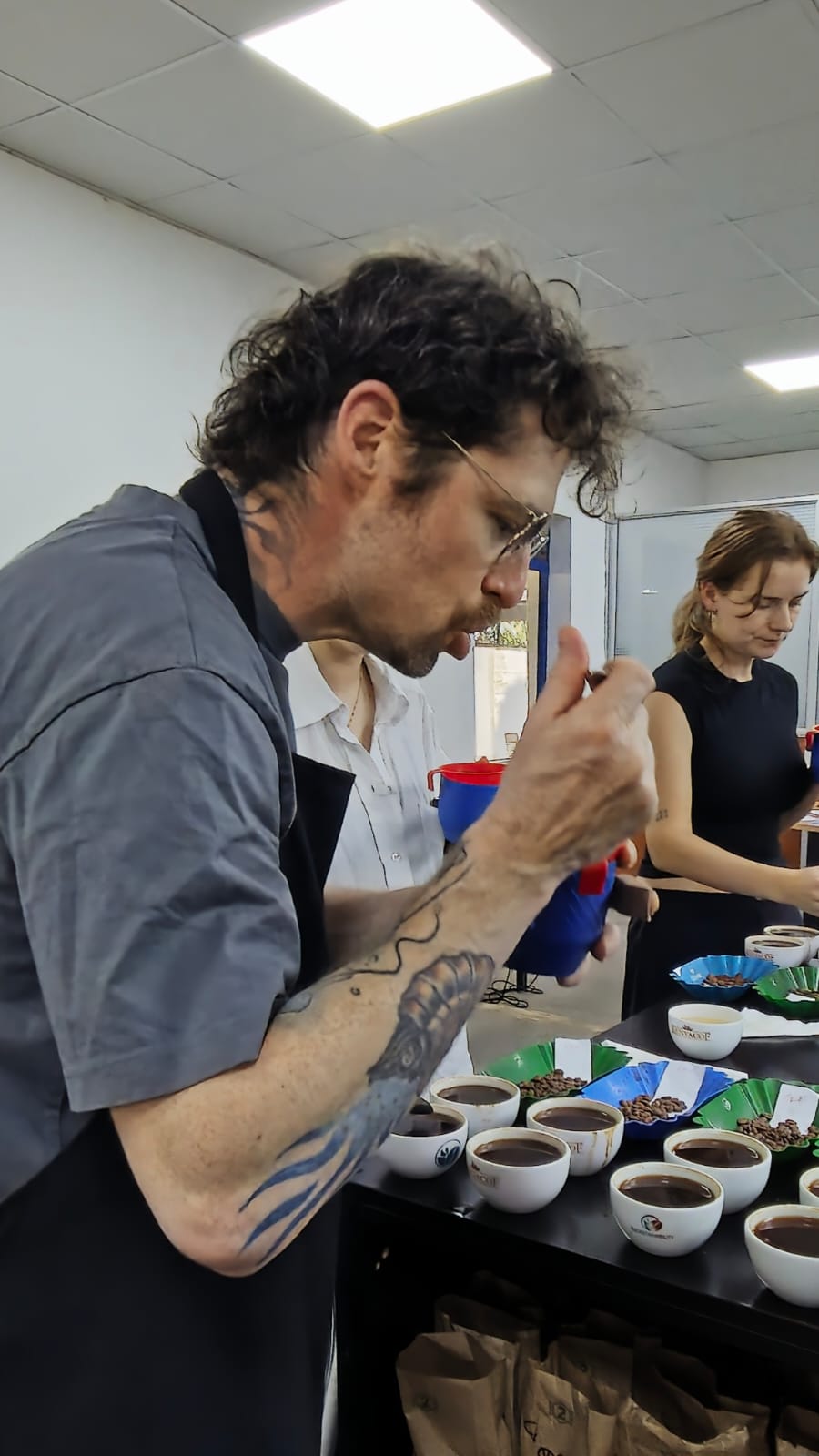
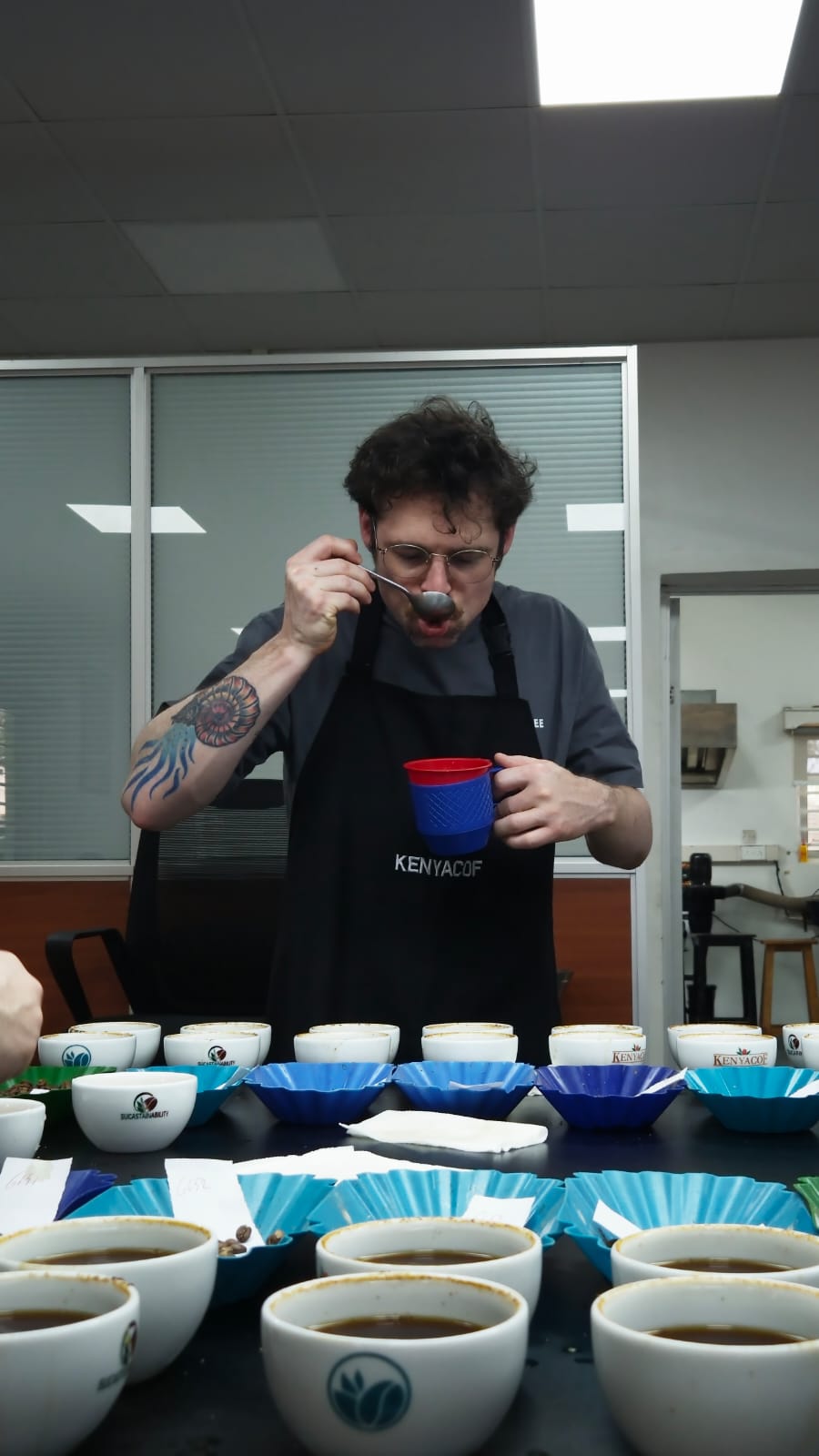
Cupping 300 samples at Sucafina headquarters
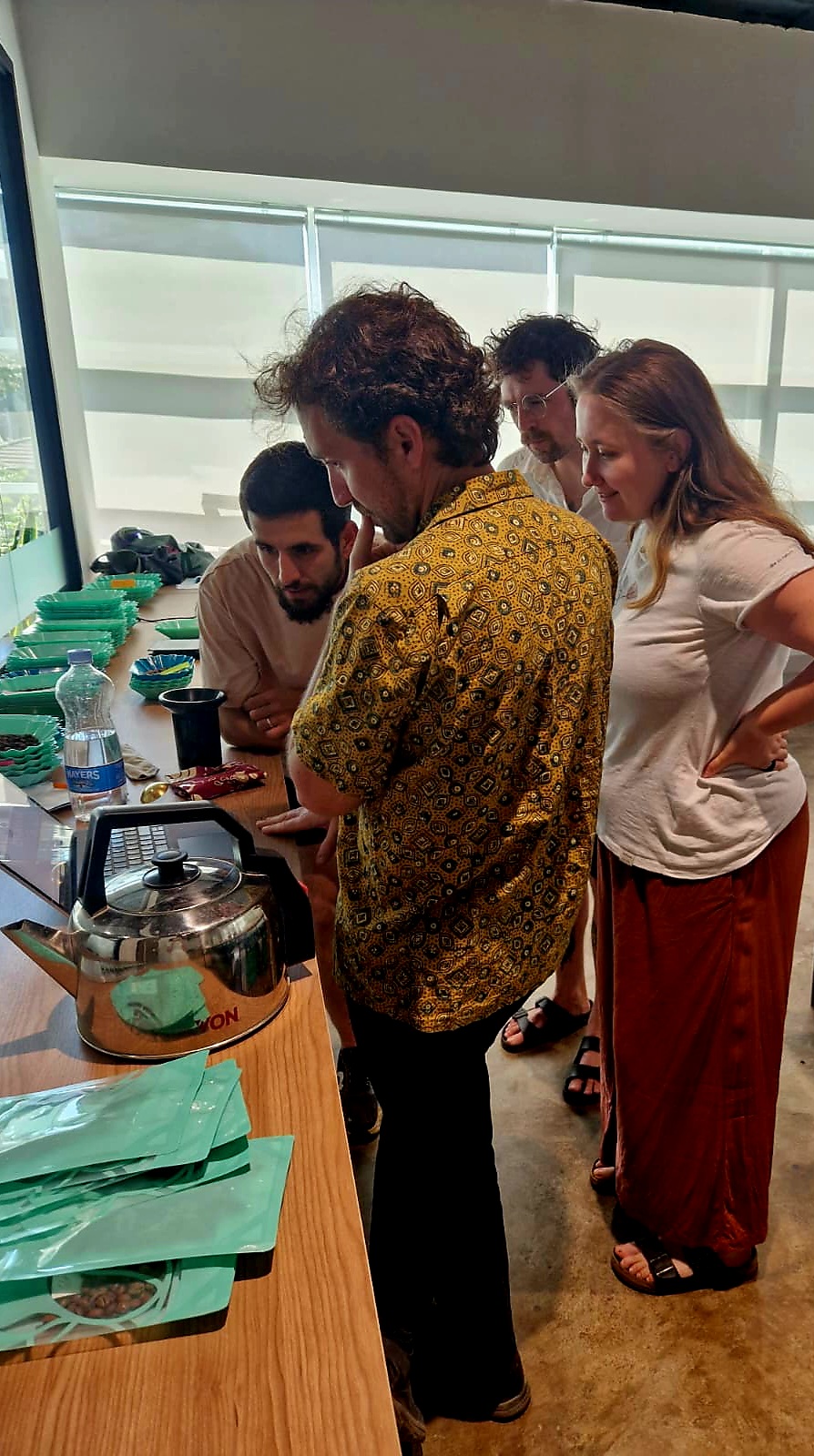
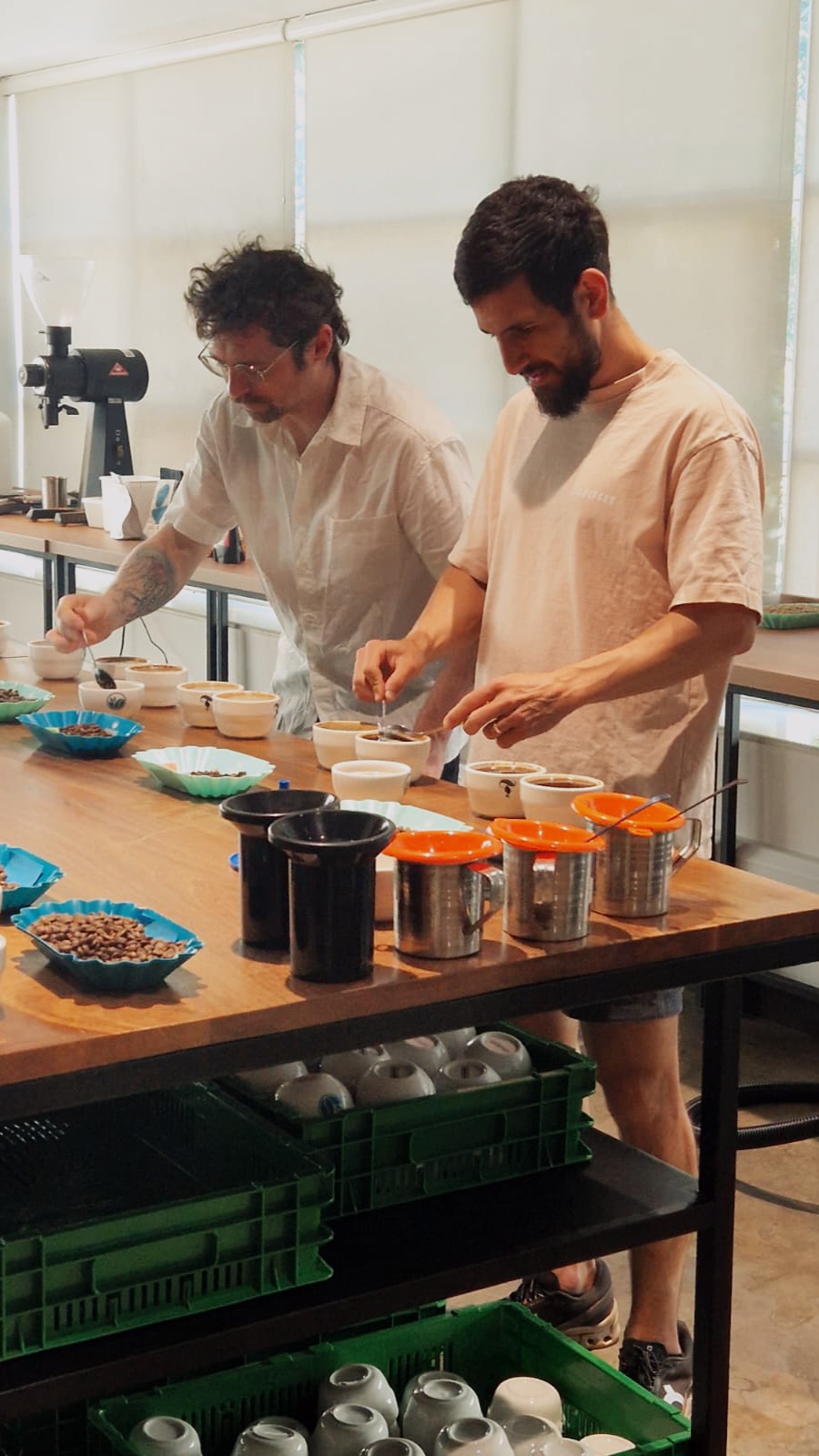
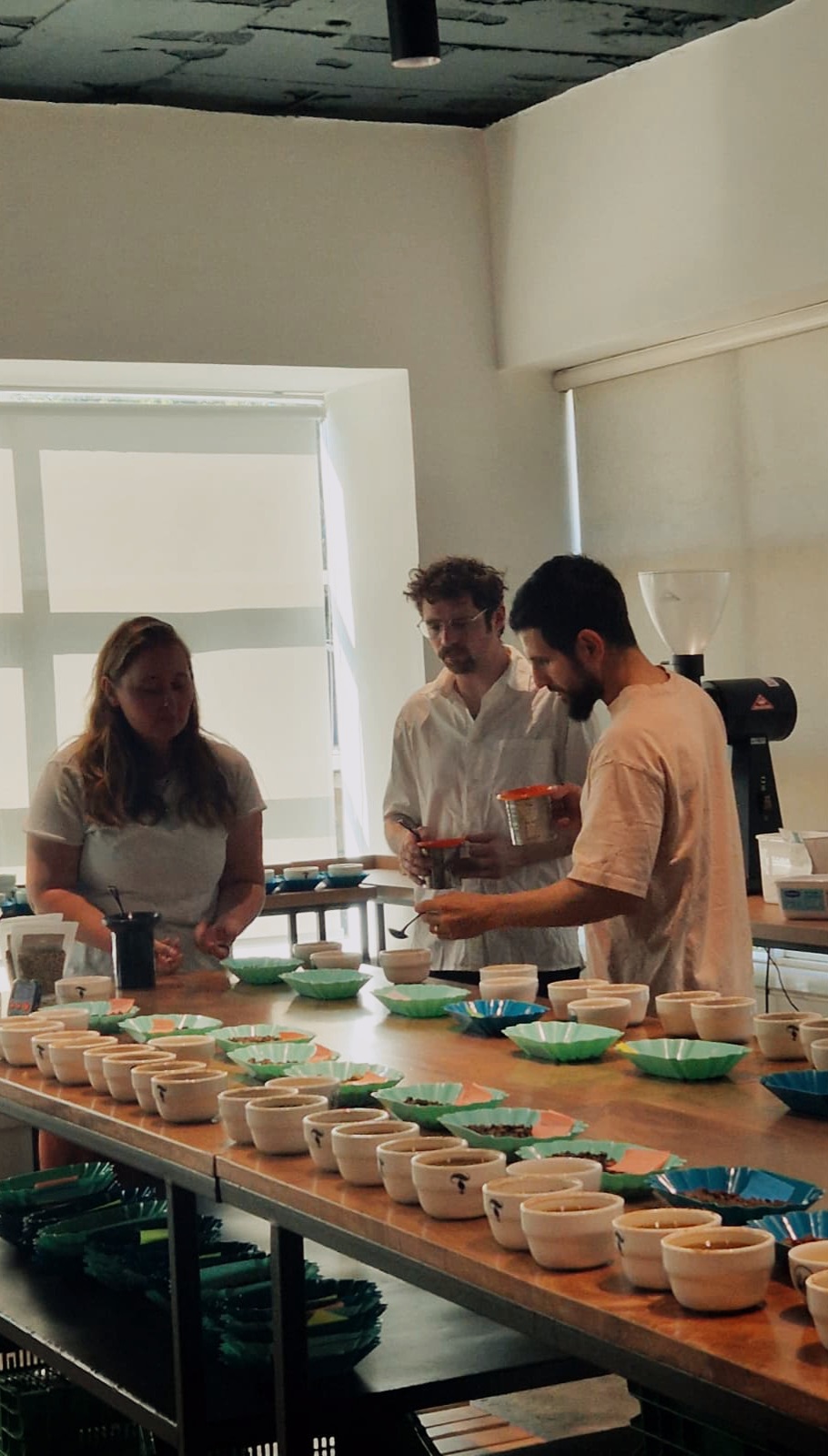
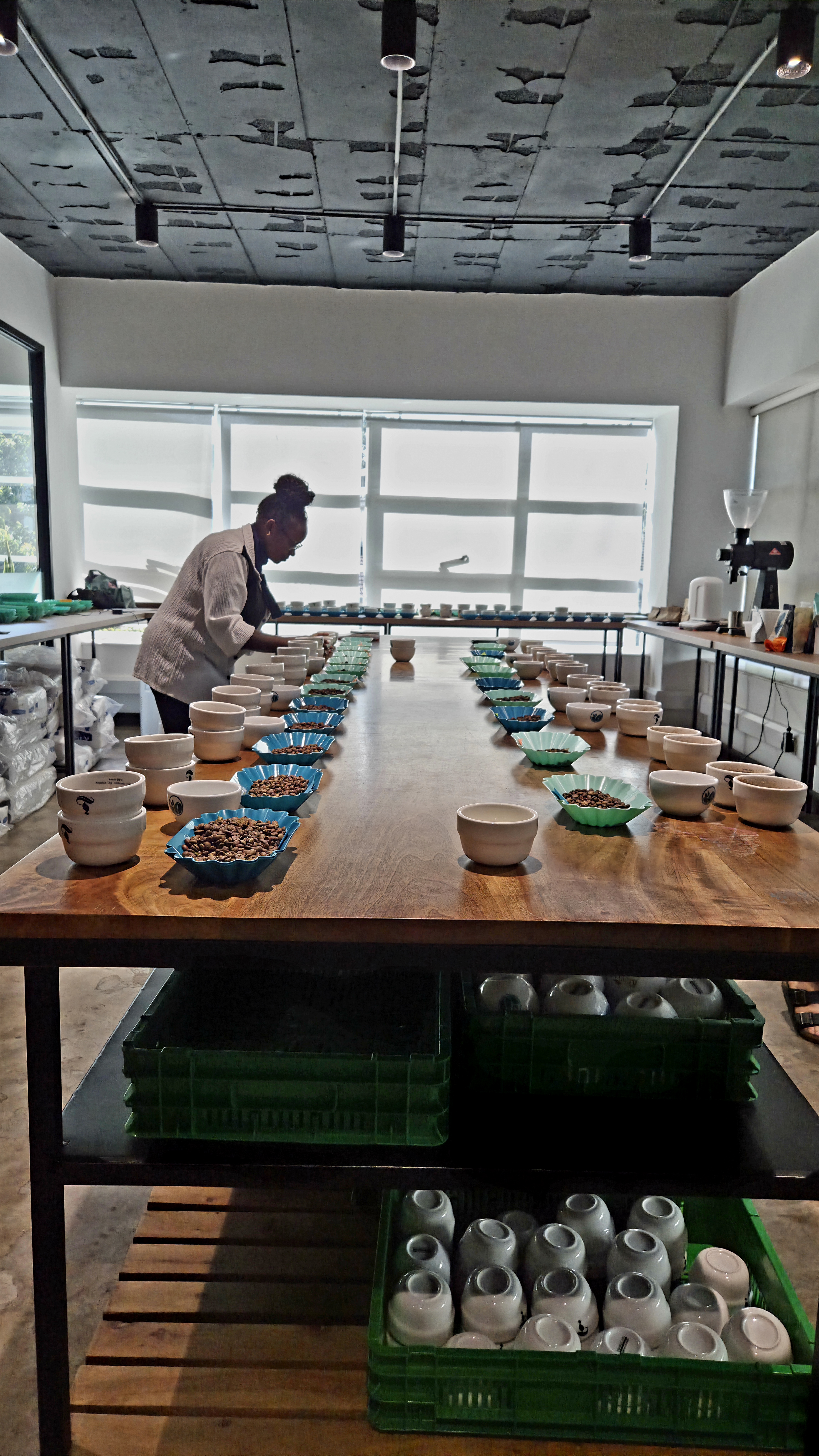
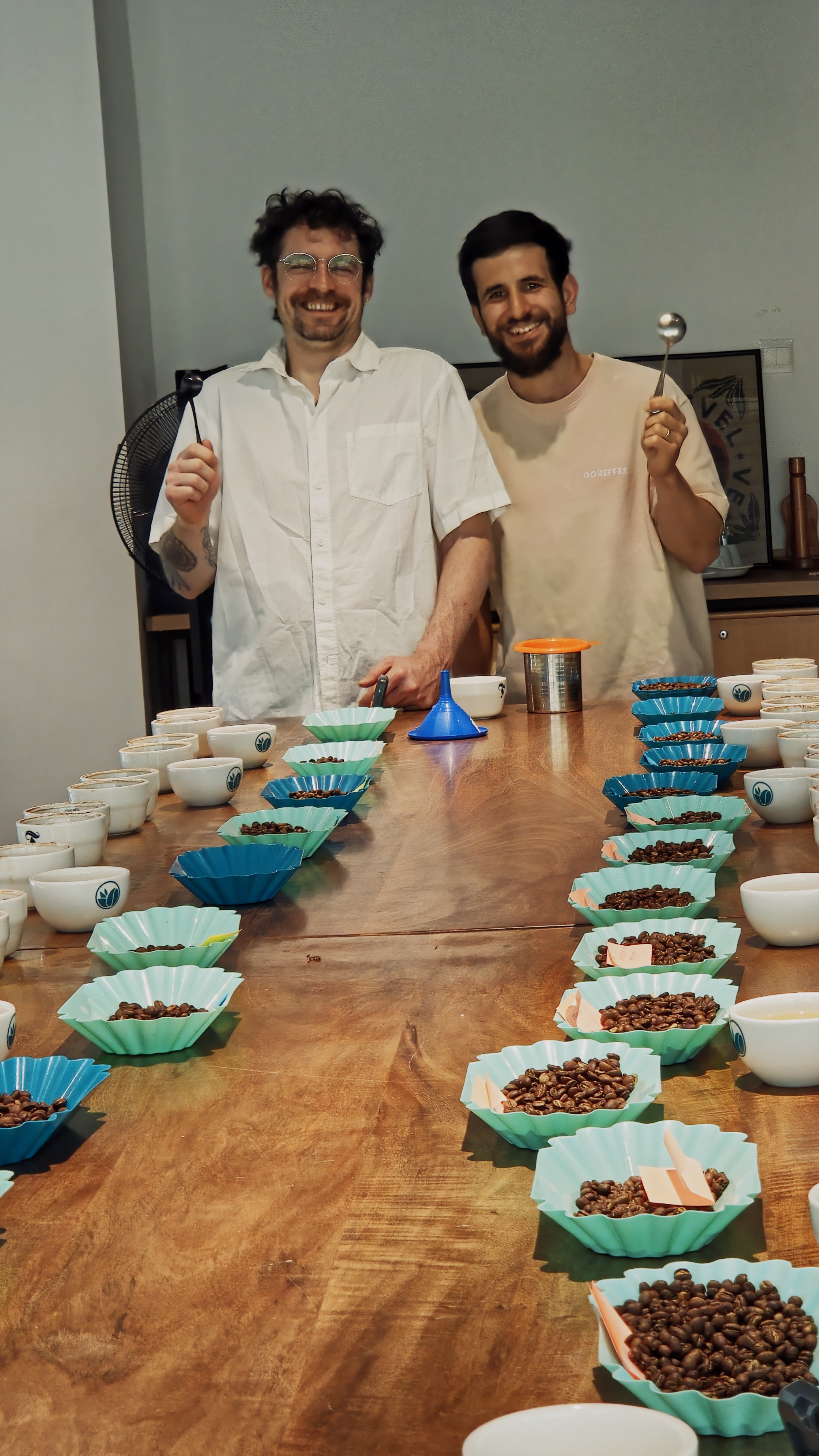
Our journey started in Nairobi, in the green coffee warehouse of our partner Sucafina. The first days were about maximum concentration – we had approximately 300 coffee samples on the table, which were to go to auction the very next day.
The coffee market in Kenya works very specifically. Up to 88% of production is sold through a state auction, which takes place every Tuesday. In order to bring you the highest quality beans, we have to identify and auction them in advance. Only in this way can we guarantee that we will get the best lots from the current harvest.
From the laboratory directly to the farms and cooperatives
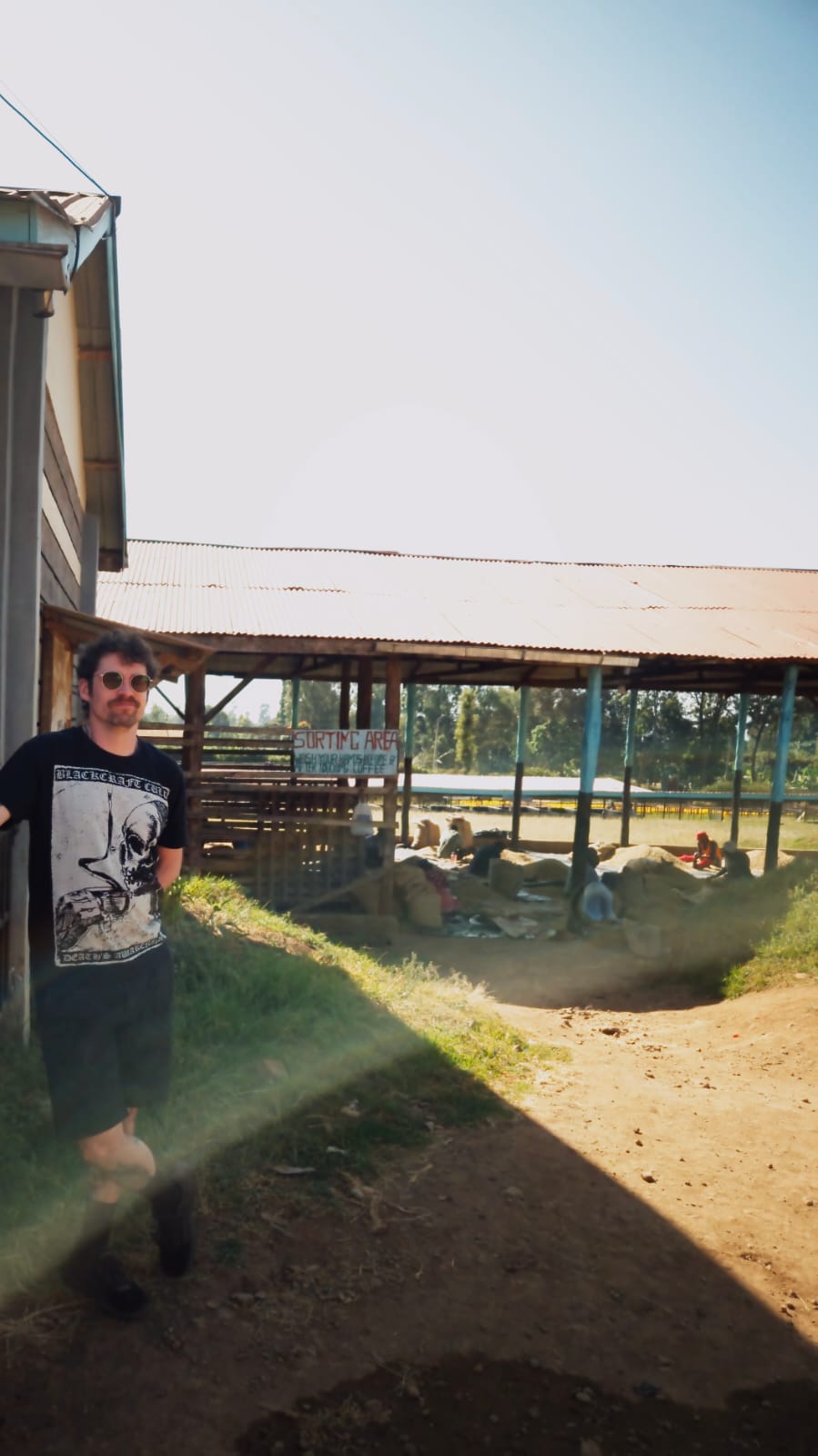
After intensive cuppings, we moved directly into the field. In Kenya, coffee is more than just a product – it's about people. We visited farms and cooperatives to understand the differences in how they work:
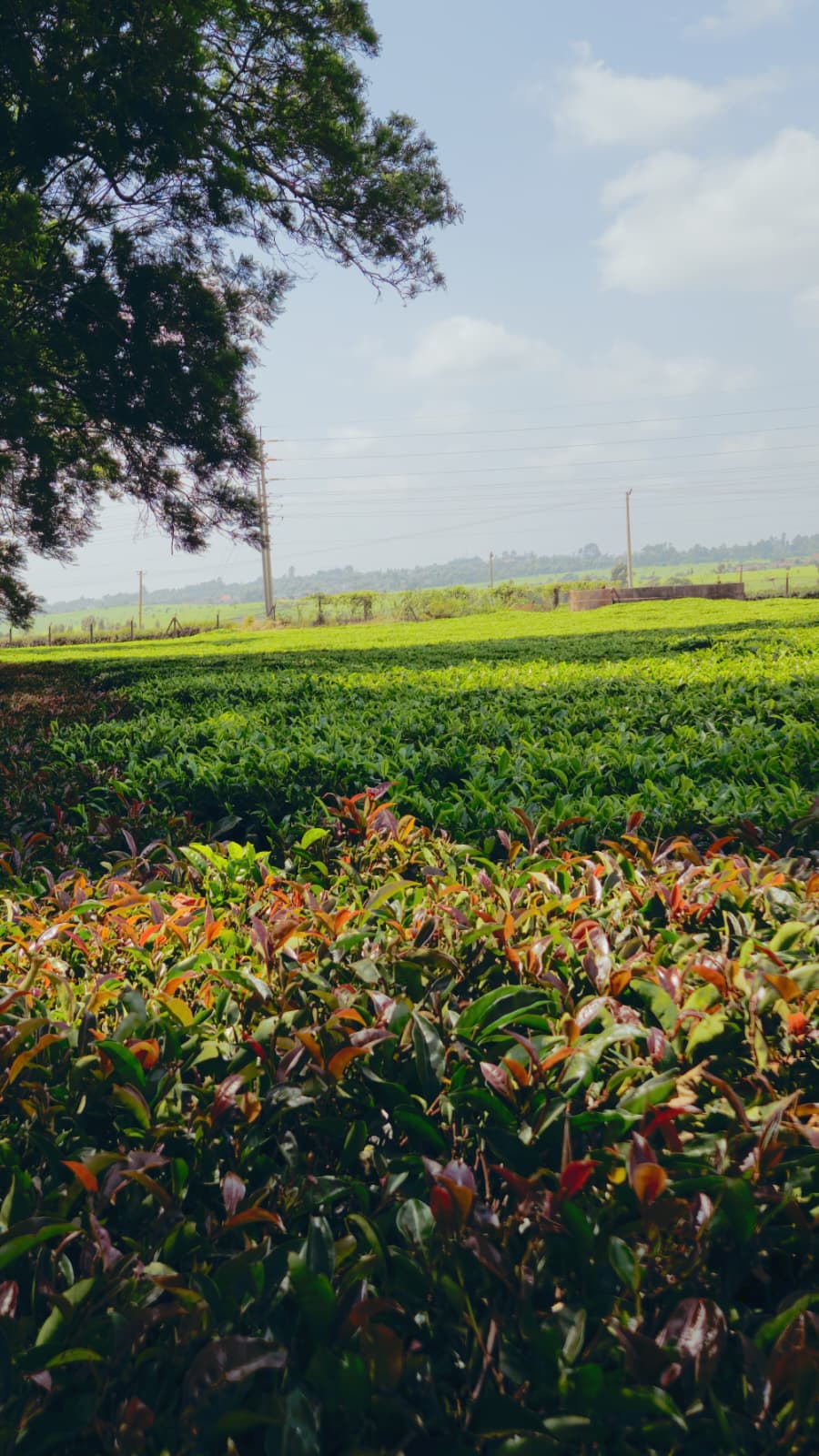
Farms: They have their own coffee trees and processing stations. Some of them also grow tea alongside coffee, as Kenya is one of its largest global producers.
Cooperatives: They bring together thousands of small farmers, from whom they buy coffee cherries and then process them in their stations.
Personal contact with growers is crucial for us. When we know who is behind the coffee and in what conditions it is born, we can convey its story to you much more authentically.
The mastery of Kenyan wet processing
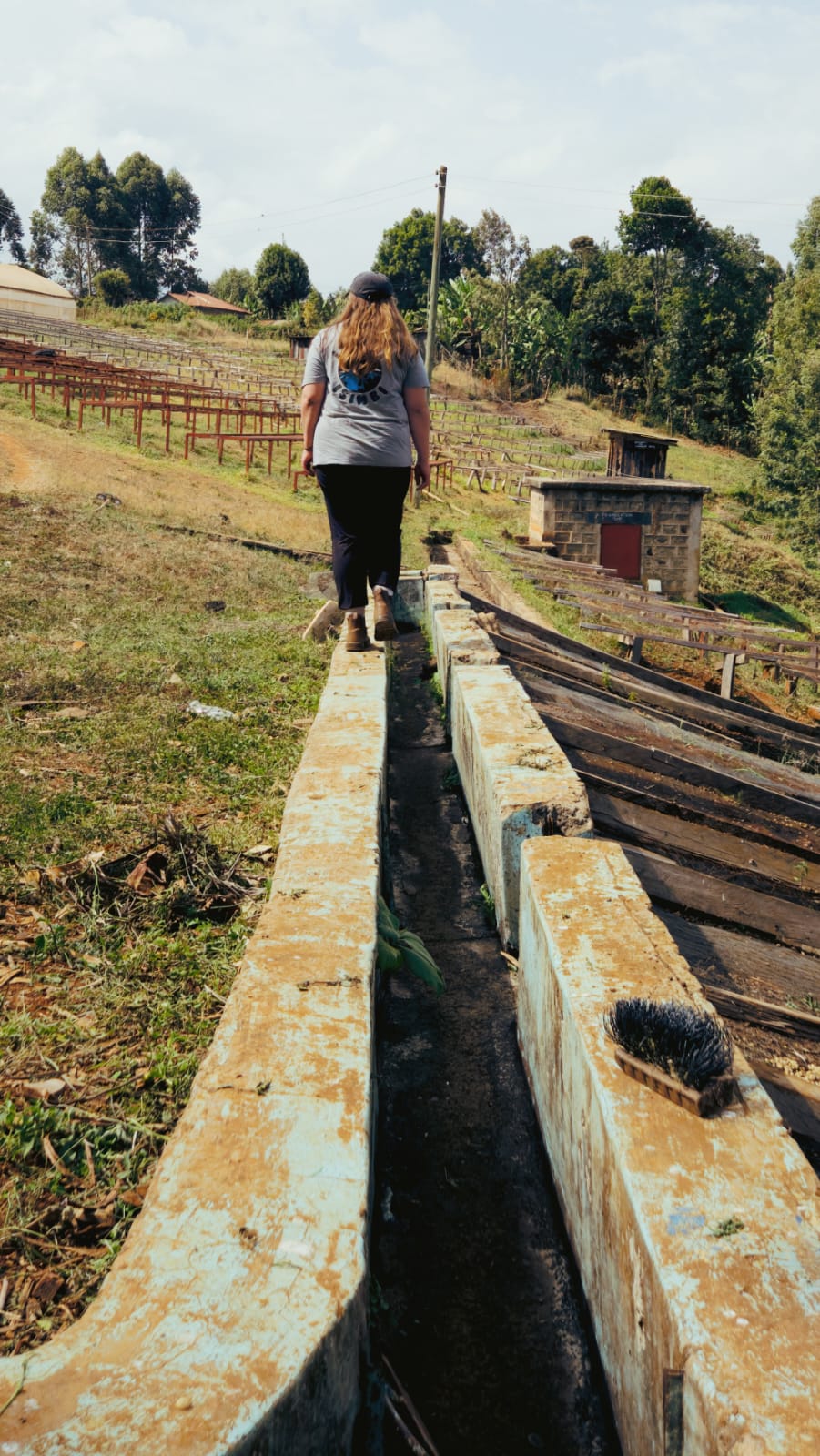
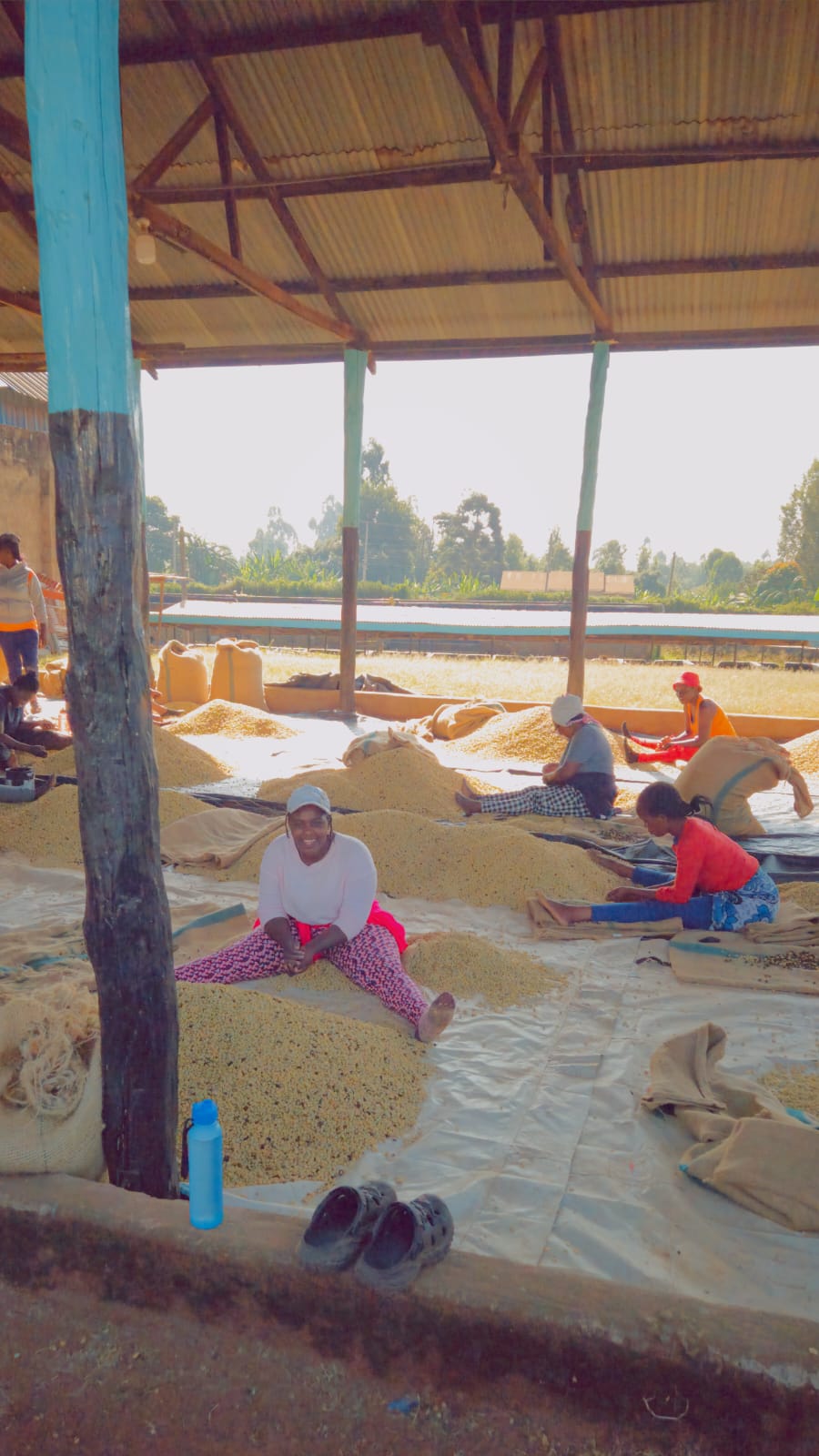
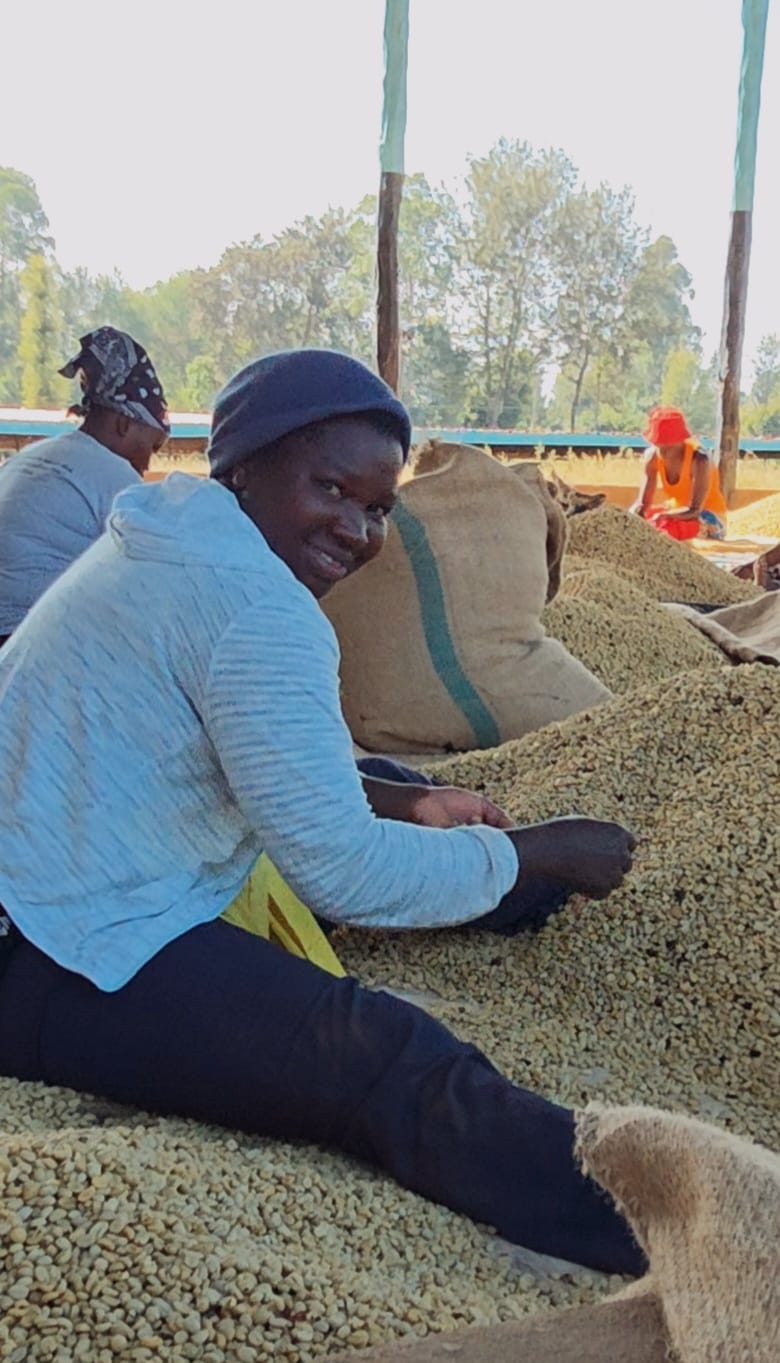
Specialty coffee in Kenya is processed by the wet method in 99,9% of cases. Although we arrived at the very end of the season, we had the opportunity to see the precision of their processes.
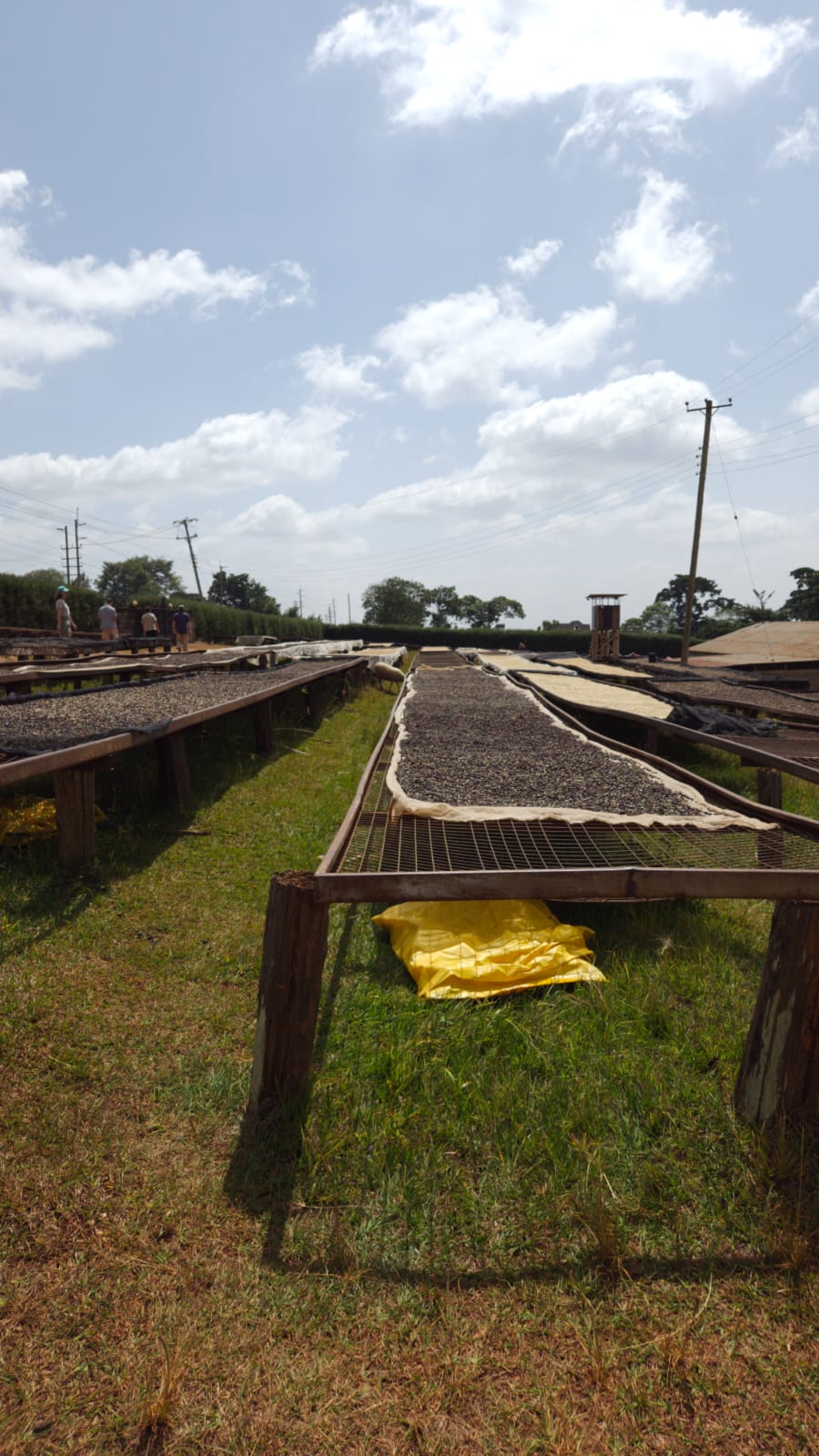
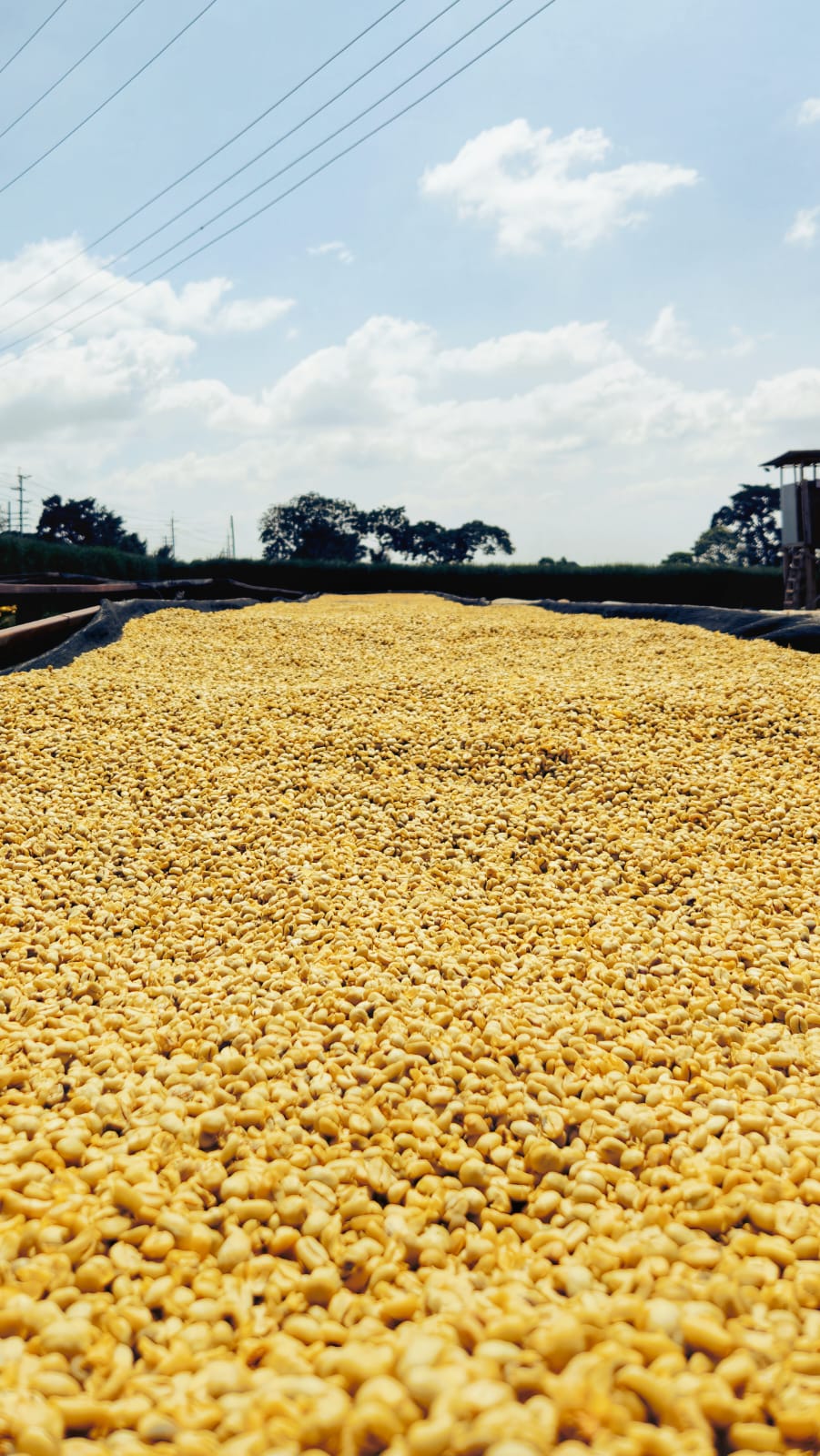
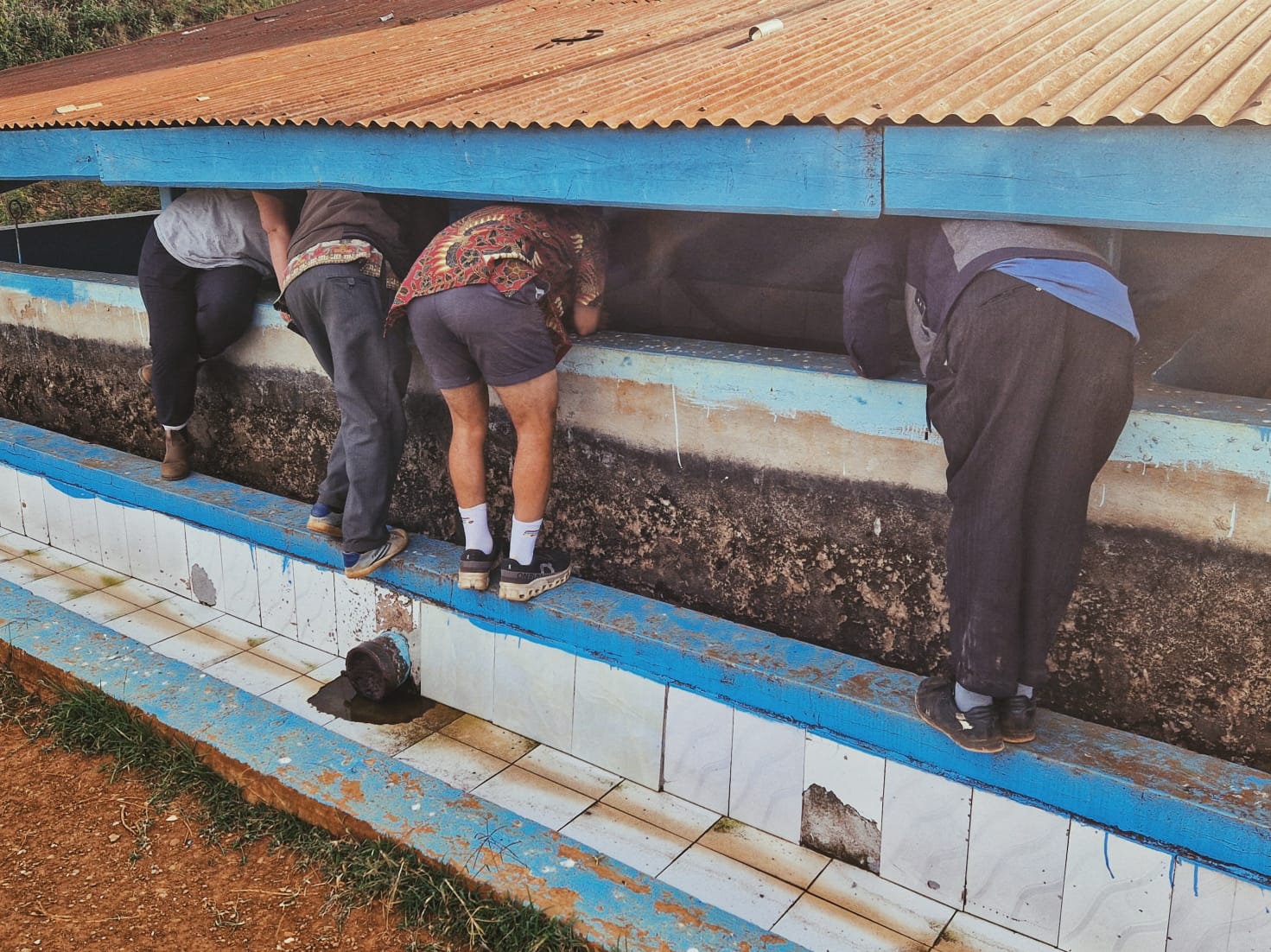
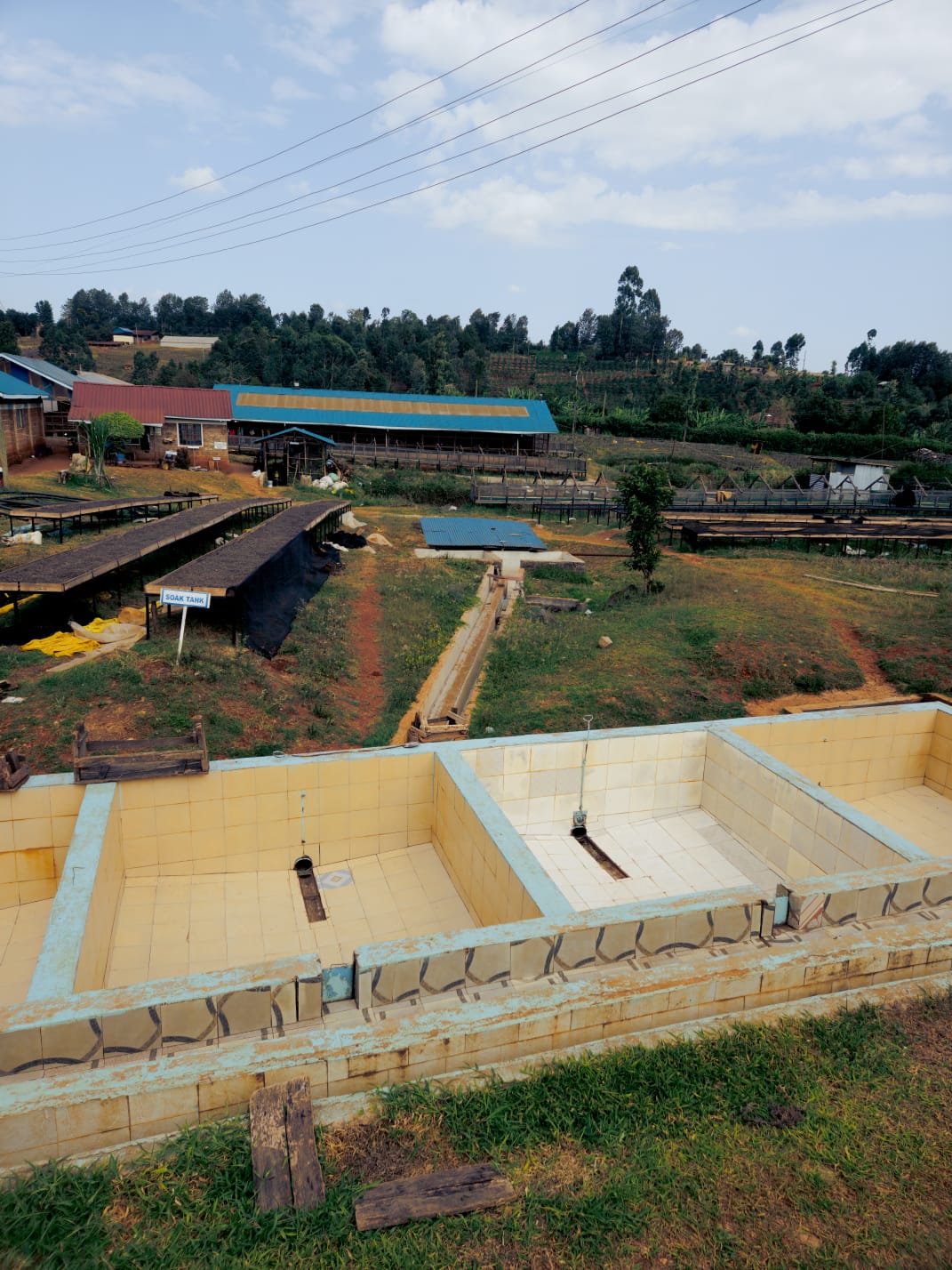
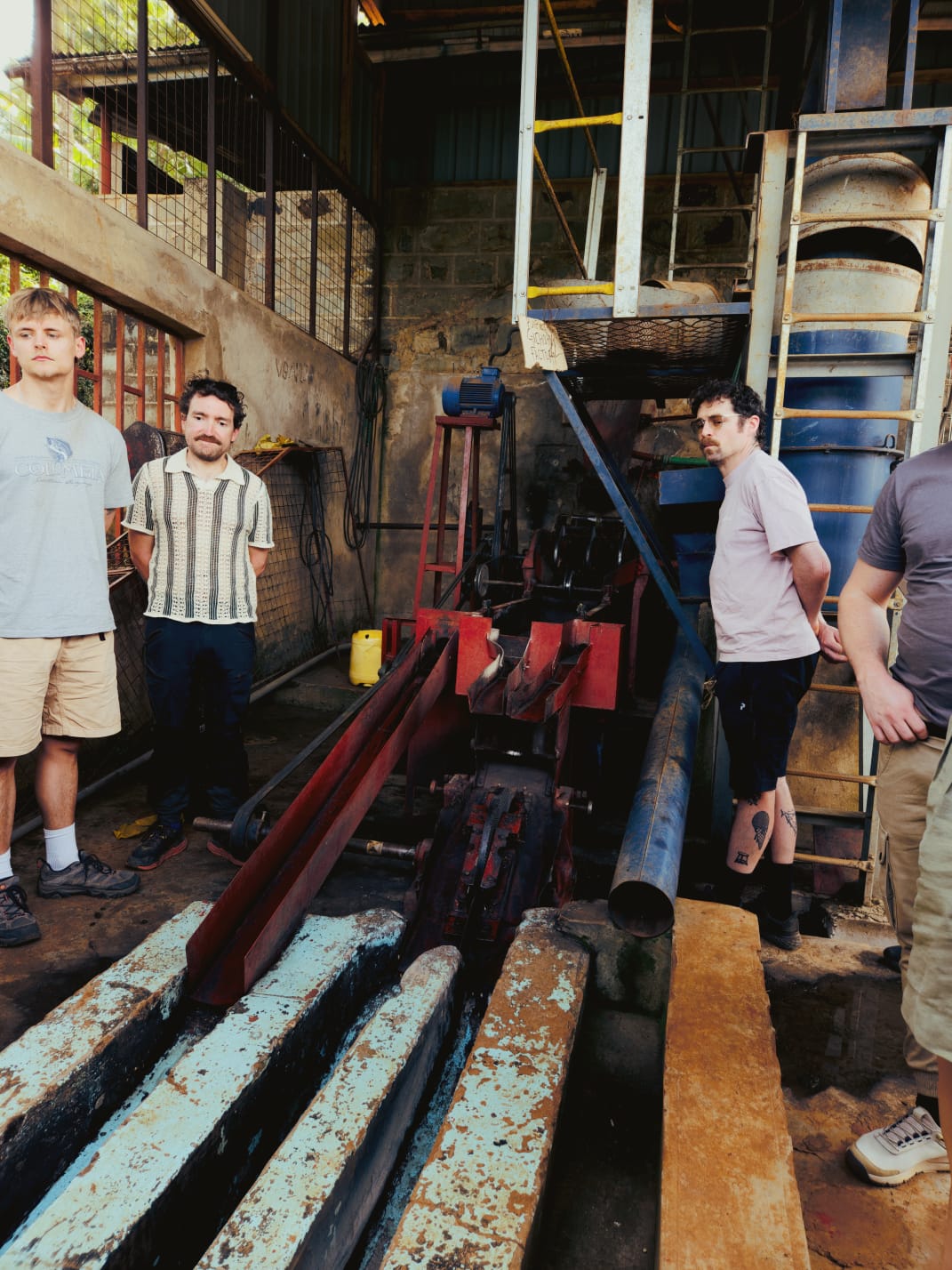
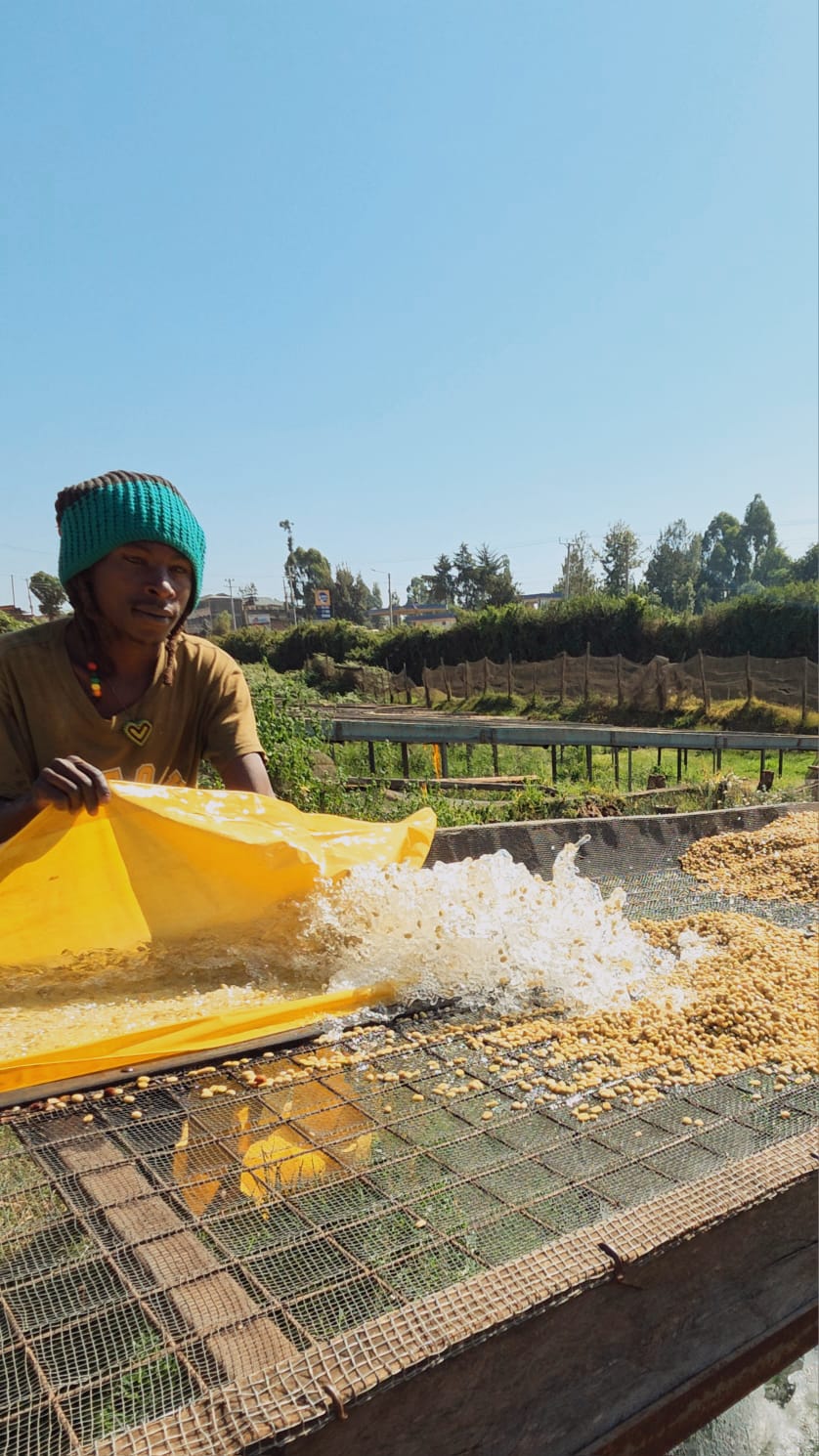
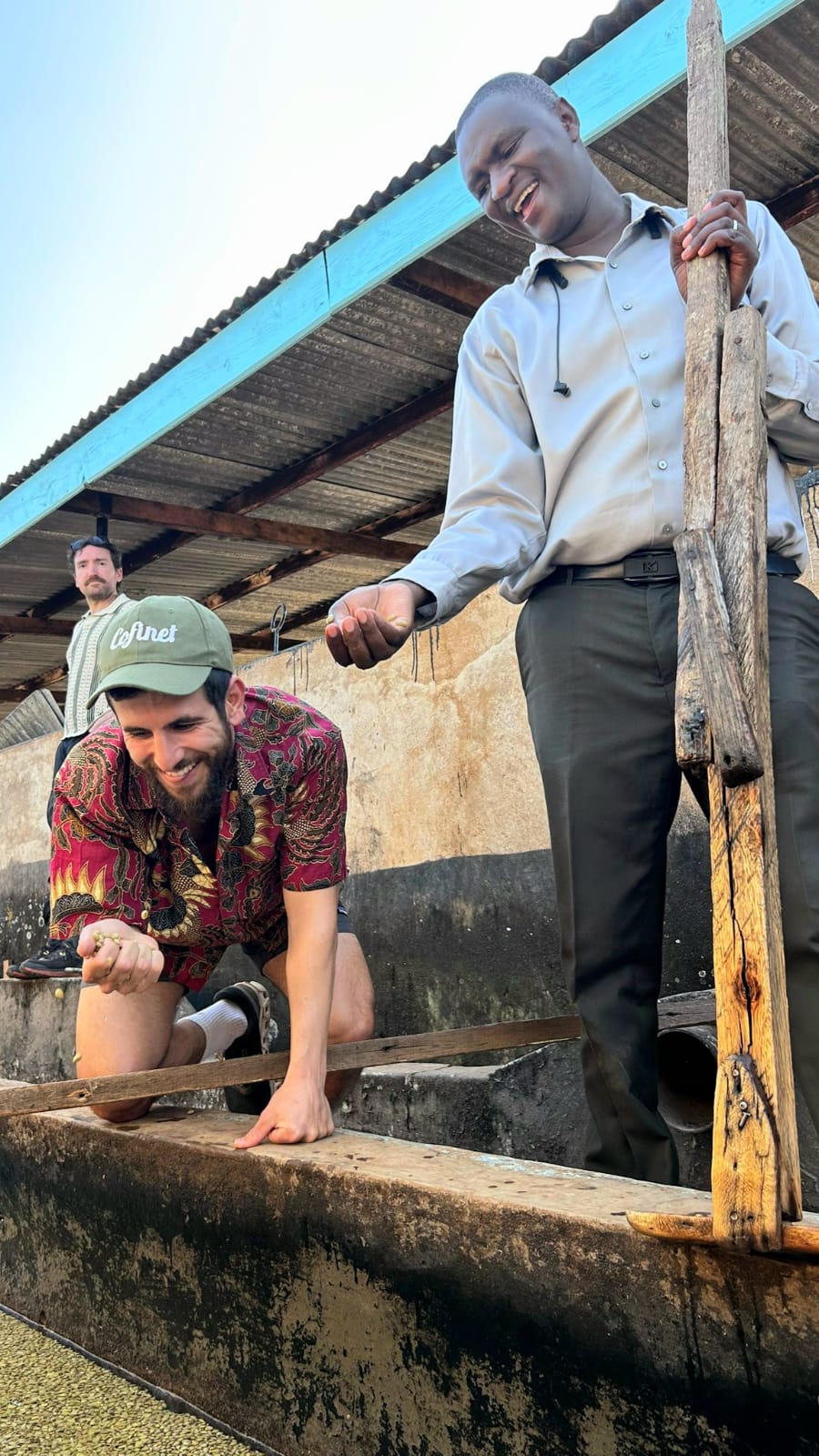
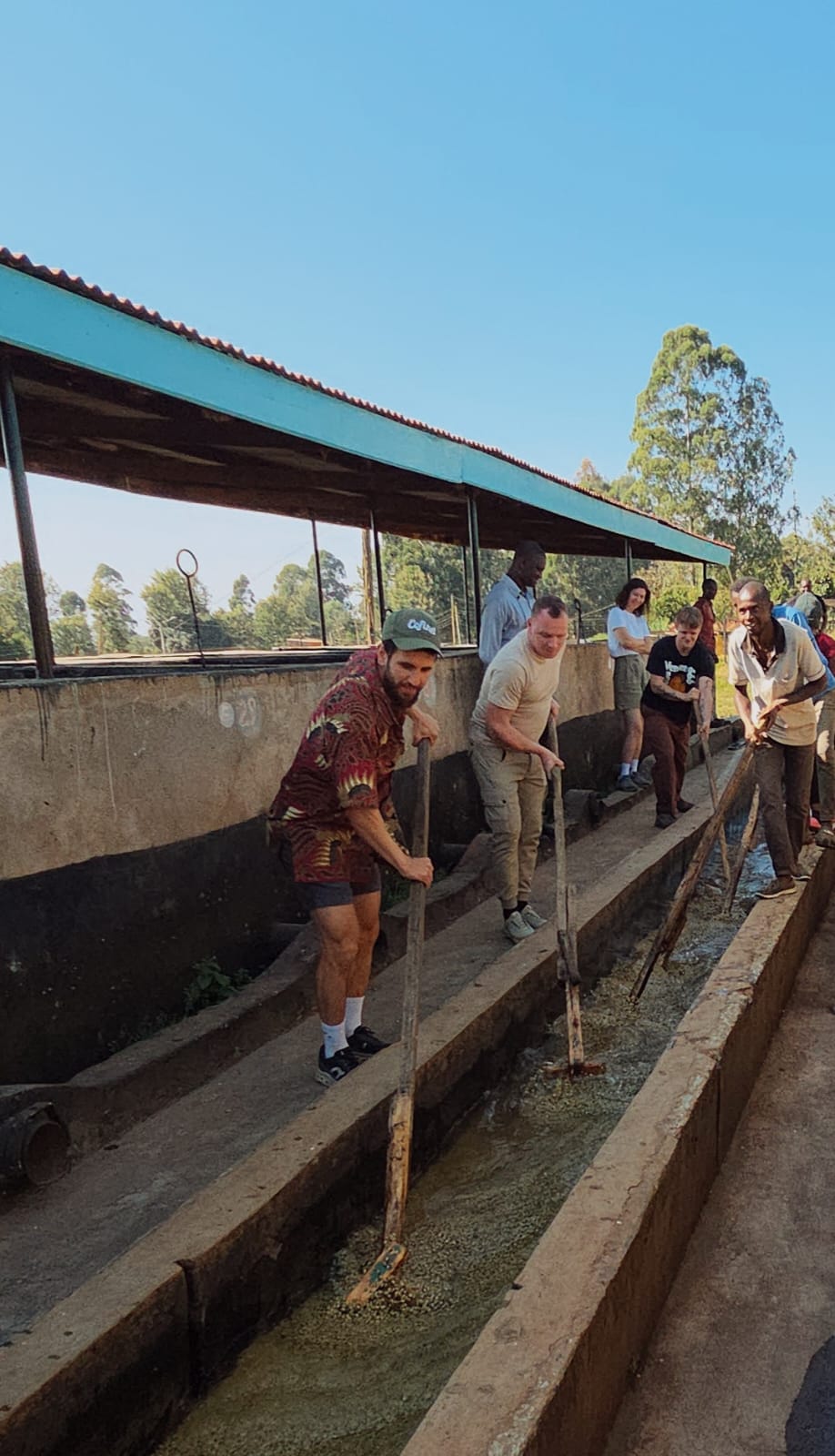
The process starts with pulping and fermentation, which lasts 12 – 32 hours. This is followed by washing and a second fermentation, sometimes under water, to stabilize the temperature and yeast activity. The whole process takes 2 – 3 days and each station has its own procedures. After drying on African beds, the coffee travels to the mill (dry milling), where samples are prepared for buyers like us.
An interesting feature is also the "Mbuni" processing. These are unripe cherries that are harvested at the end of the season to prepare the trees for the next year. These are processed by the dry method and sold as lower quality coffee.
Success at the Kagumo station
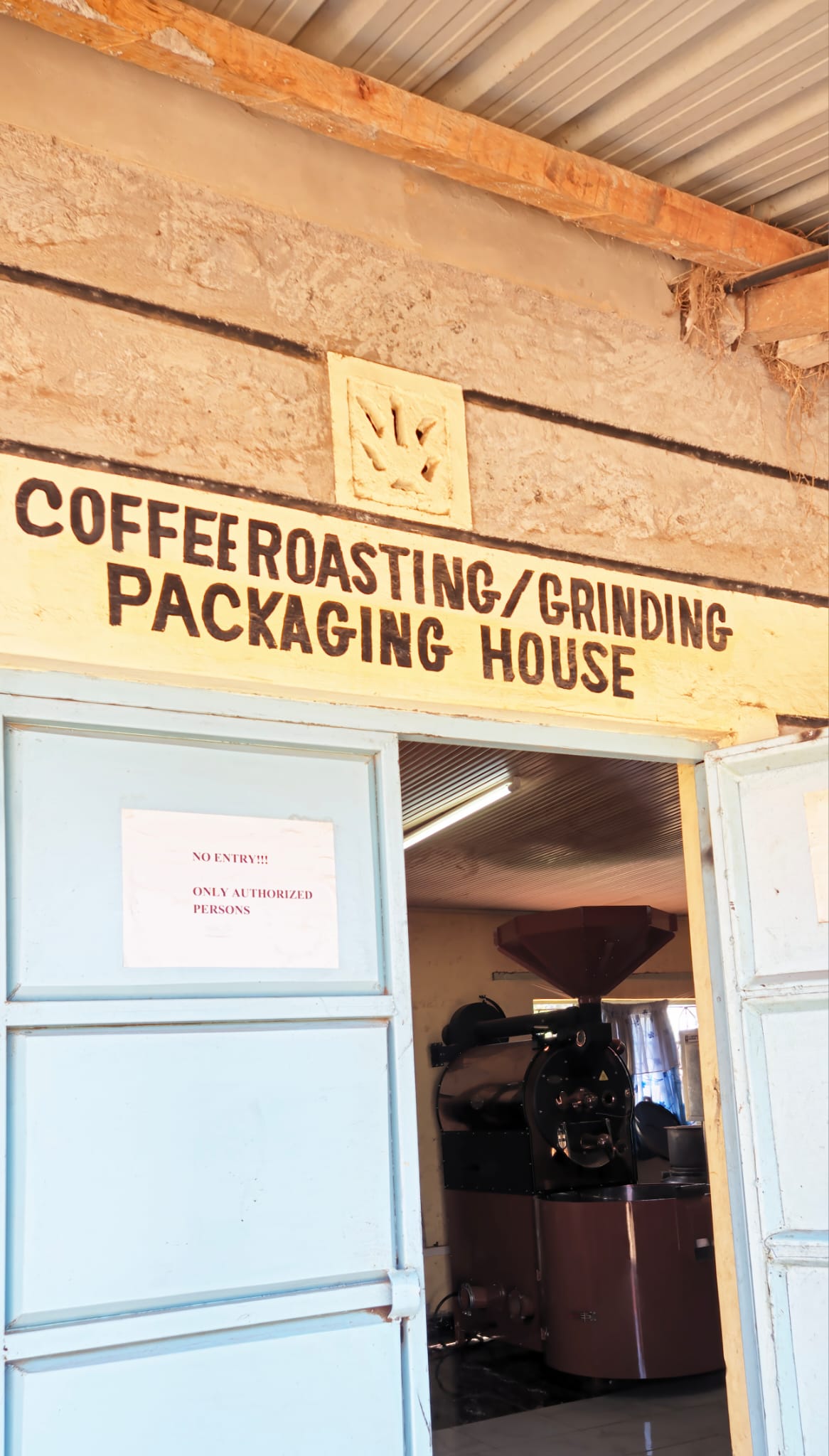
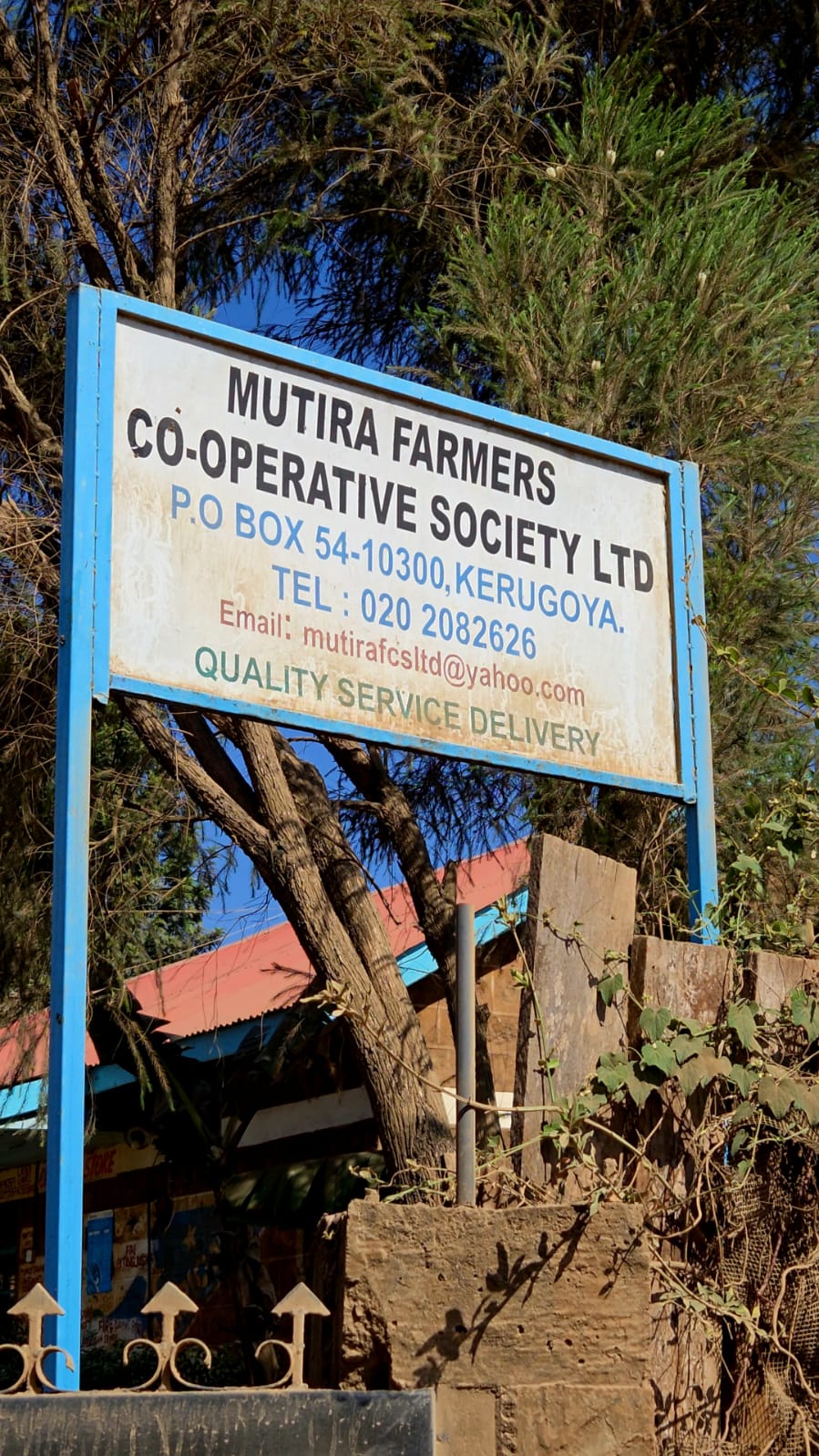
We are very happy about the visit to the Kagumo station, which belongs to the Mutira cooperative. This cooperative brings together 8000 coffee tree owners. It was in Kagumo that we saw the processing in action and managed to buy their coffee, which you will soon taste too.
Kagumo caught our attention with its emphasis on development – as one of the few stations, it has its own roastery. The positive energy and quality we saw there confirmed to us that we chose right. A specialty was also honey from coffee tree flowers, which unfortunately we couldn't not buy.
What awaits us in the coming year
The last cuppings before departure confirmed our favorites. The selection for this year will be excellent. We want to thank the Sucafina team for their expert care and great work in the field. Thanks to such partnerships, we at Goriffee can increase quality in the long term and bring you coffees with a clear origin and story.
Co-founder of Goriffee, who was personally responsible for coffee roasting for the first 10 years. He later deepened his experience by completing a course with world-renowned expert Scott Rao. Today, he is fully dedicated to quality control and bean selection – this year alone, he tasted more than 2 500 samples to find the best specialty coffee for you.
Na ukladanie a/alebo prístup k informáciám o zariadení používame technológie ako cookies. Robíme to s cieľom zlepšiť zážitok z prehliadania a zobrazovať (ne)prispôsobené reklamy. Súhlas s týmito technológiami nám umožní spracovávať údaje, ako je správanie pri prehliadaní alebo jedinečné ID na tejto stránke. Nesúhlas alebo odvolanie súhlasu môže nepriaznivo ovplyvniť určité vlastnosti a funkcie.
Funkčné
Vždy aktívny
Technické uloženie alebo prístup sú nevyhnutne potrebné na legitímny účel umožnenia použitia konkrétnej služby, ktorú si účastník alebo používateľ výslovne vyžiadal, alebo na jediný účel vykonania prenosu komunikácie cez elektronickú komunikačnú sieť.
Predvoľby
Technické uloženie alebo prístup je potrebný na legitímny účel ukladania preferencií, ktoré si účastník alebo používateľ nepožaduje.
Štatistiky
Technické úložisko alebo prístup, ktorý sa používa výlučne na štatistické účely.Technické úložisko alebo prístup, ktorý sa používa výlučne na anonymné štatistické účely. Bez predvolania, dobrovoľného plnenia zo strany vášho poskytovateľa internetových služieb alebo dodatočných záznamov od tretej strany, informácie uložené alebo získané len na tento účel sa zvyčajne nedajú použiť na vašu identifikáciu.
Marketing
Technické úložisko alebo prístup sú potrebné na vytvorenie používateľských profilov na odosielanie reklamy alebo sledovanie používateľa na webovej stránke alebo na viacerých webových stránkach na podobné marketingové účely.