Why small farmers profit from buying coffee through a distributor
Erik Šimšík | 15. February 2026
In the world of specialty coffee, the term direct trade is often mentioned as the absolute ideal. Although direct contact with growers is key, the reality of global trade is more complex. For many small farmers who grow the most interesting microlots, working with a quality distributor is the path to survival and growth.
Here are a few reasons why this model is actually more beneficial for farmers.
Farming is a full-time job – marketing is not
Most truly small farmers are primarily agricultural experts. They devote all their time to caring for coffee plants, harvesting, and processing cherries. They often lack the personnel or technical capacity for:
Marketing their yield: Brand building and finding buyers in Europe.
Foreign-language communication: Endless correspondence with dozens of roasteries worldwide.
Bureaucratic burden: Importing food into the EU is subject to strict rules that require stacks of documentation and certificates.
In this relationship, the distributor takes on the role of the administrative and sales department, freeing the farmer's hands to do what they do best – growing exceptional coffee.
The logistics barrier and the power of a single container
Logistics is one of the biggest nightmares of small-scale production. If a farmer grows a few bags of top-quality coffee, they cannot fill an entire shipping container with them. Sending a few bags separately across the ocean is uneconomical and extremely expensive, which would ultimately disproportionately increase the price of coffee for the end customer or reduce the farmer's profit.
Distributors act as consolidators. They gather coffee from multiple smallholders in a single area, fill a container, and ensure safe transit. This allows even the tiniest farms to reach the global market at competitive prices.
The distributor as a partner right in the field
Quality distributors are not just "box movers". In many growing areas, they have their own stations and operations where they literally live with the farmers. Their contribution is invaluable:
Education: They teach farmers what exactly defines the term specialty coffee and how to tweak processing methods to achieve higher cup scores.
Fair compensation: Thanks to the superior quality they teach farmers to produce, they help them earn substantially more money for their work than on the commodity market.
Stability: They provide farmers with reliable sales and often advance financing before the harvest itself.
Reality straight from Vietnam – the experience of farmer Marián Takáč
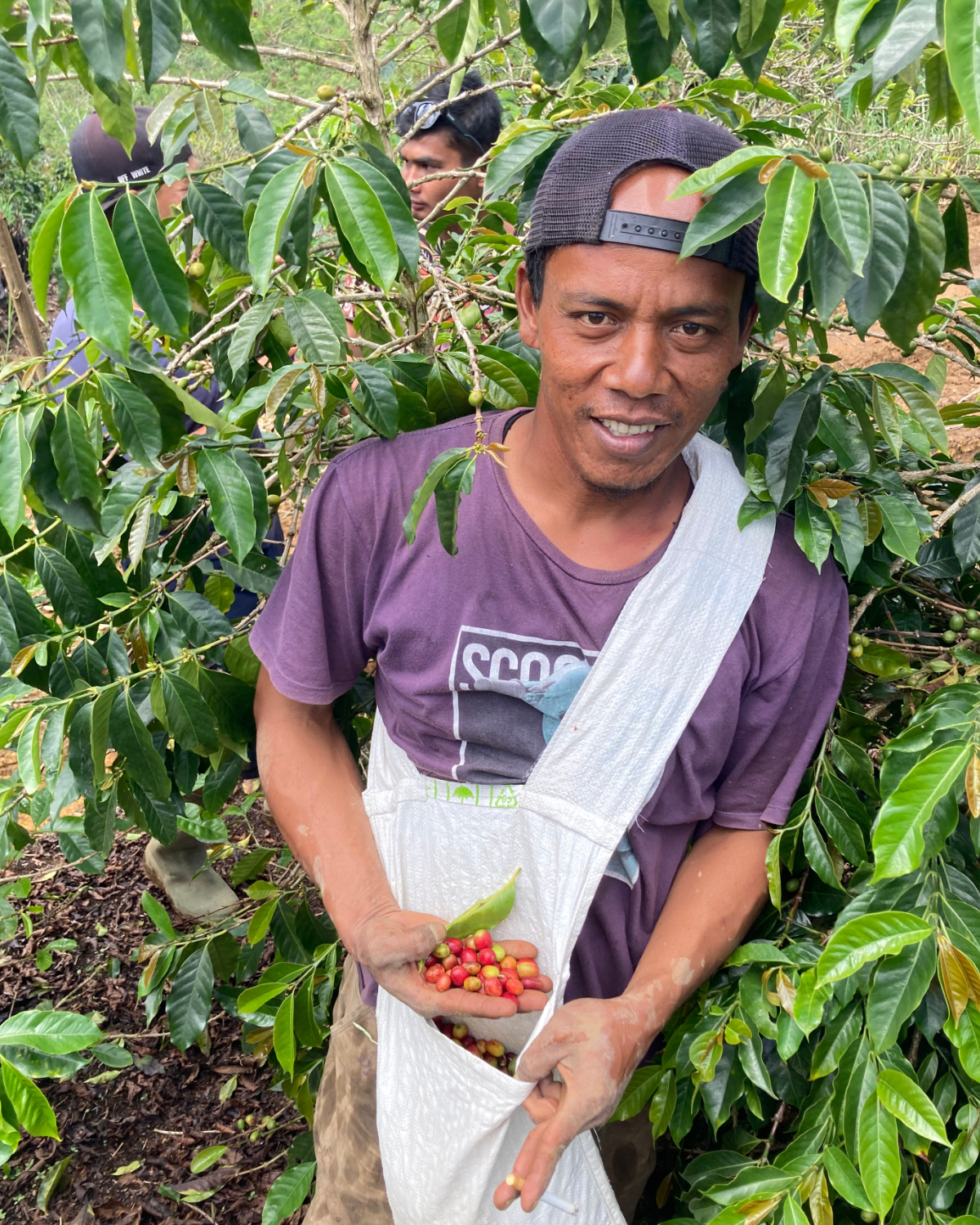
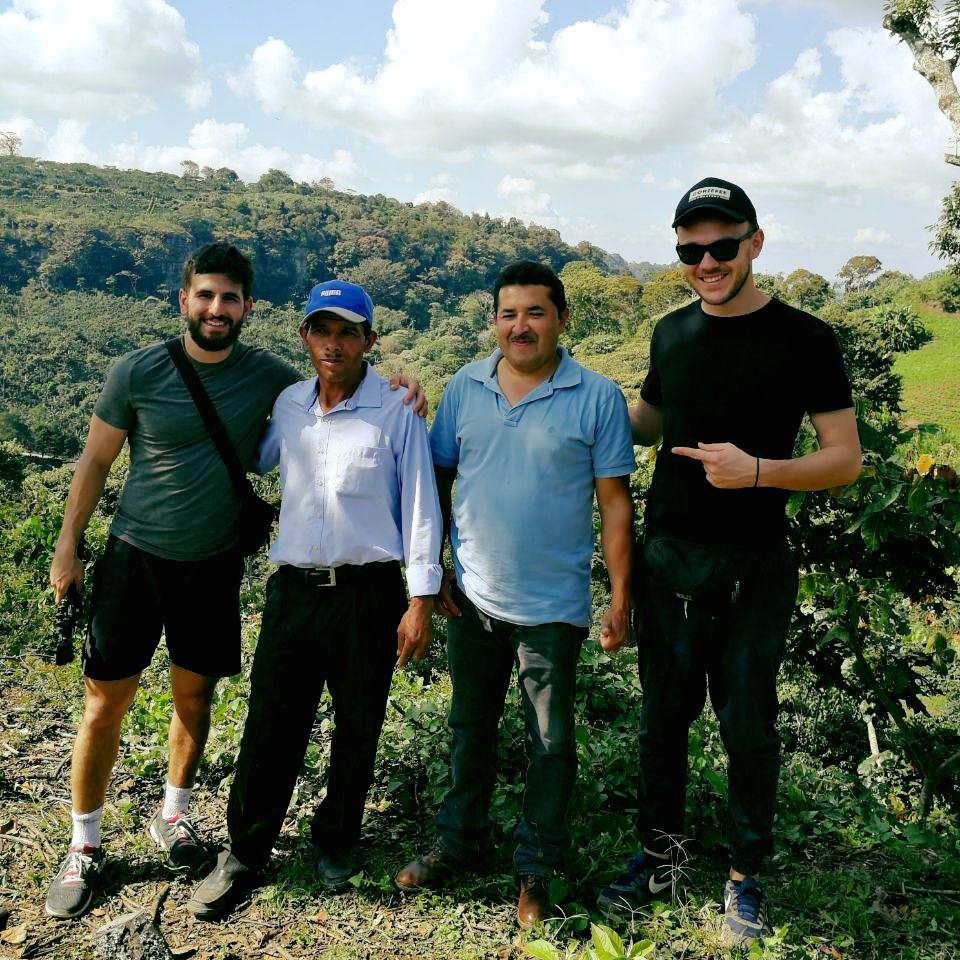
A personal perspective of a farmer right from the field is brought by Marián Takáč, who runs the Zanya coffee station in Vietnam. Marián has experience with both approaches and emphasizes that direct trade carries a huge bureaucratic burden – for the farmer, the administration associated with export is the same whether they send five bags or a full container. In addition, he points out the financial demands, where in direct trade a farmer can wait for payment up to nine months from the start of the harvest. Cooperation with a quality importer thus represents important financial security and a logistical background for a small producer, allowing them to focus on what is essential – the quality of the grown coffee.
A farmer's view from Vietnam: Why direct trade is not always a win
How we approach this at Goriffee
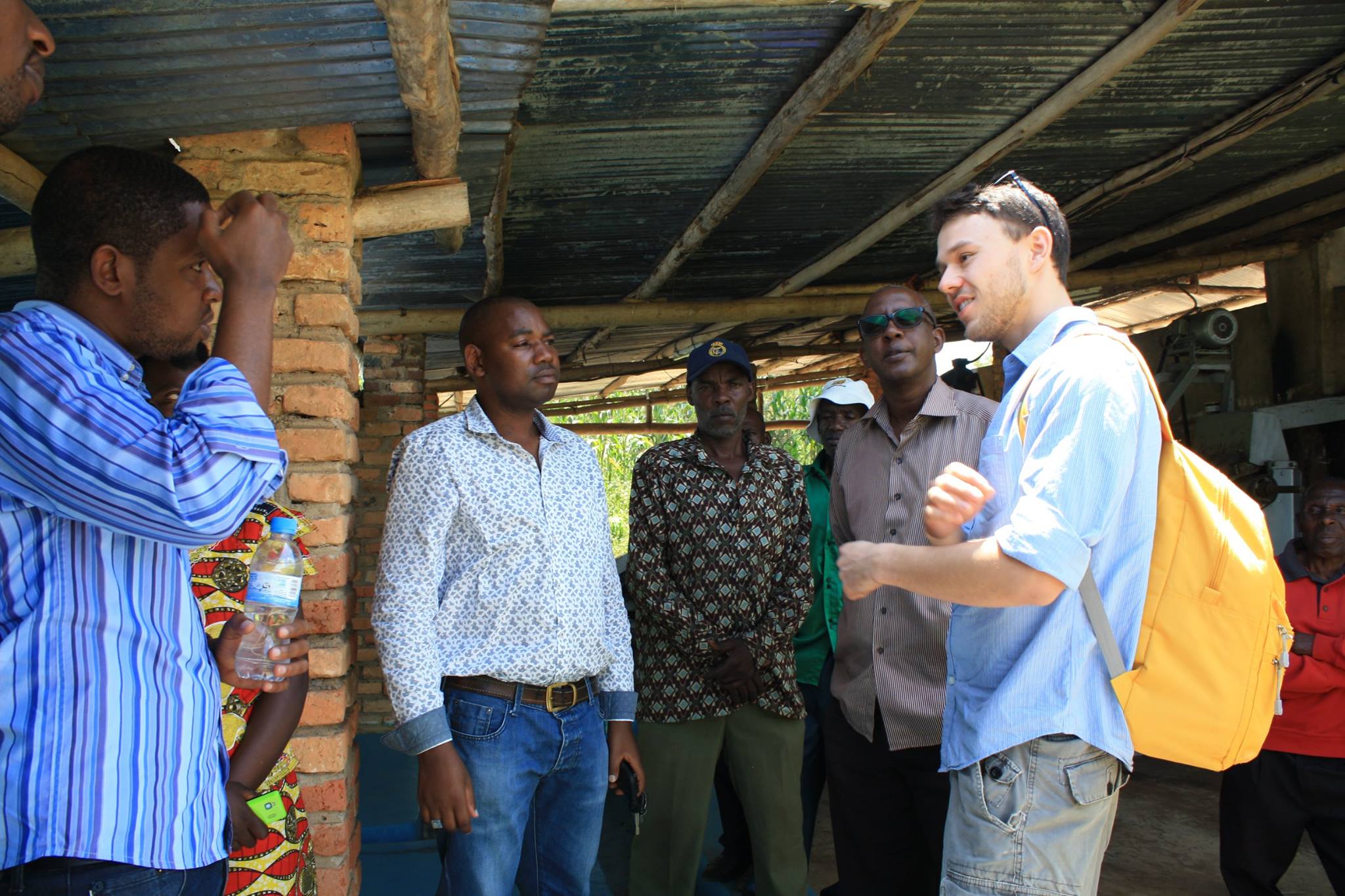
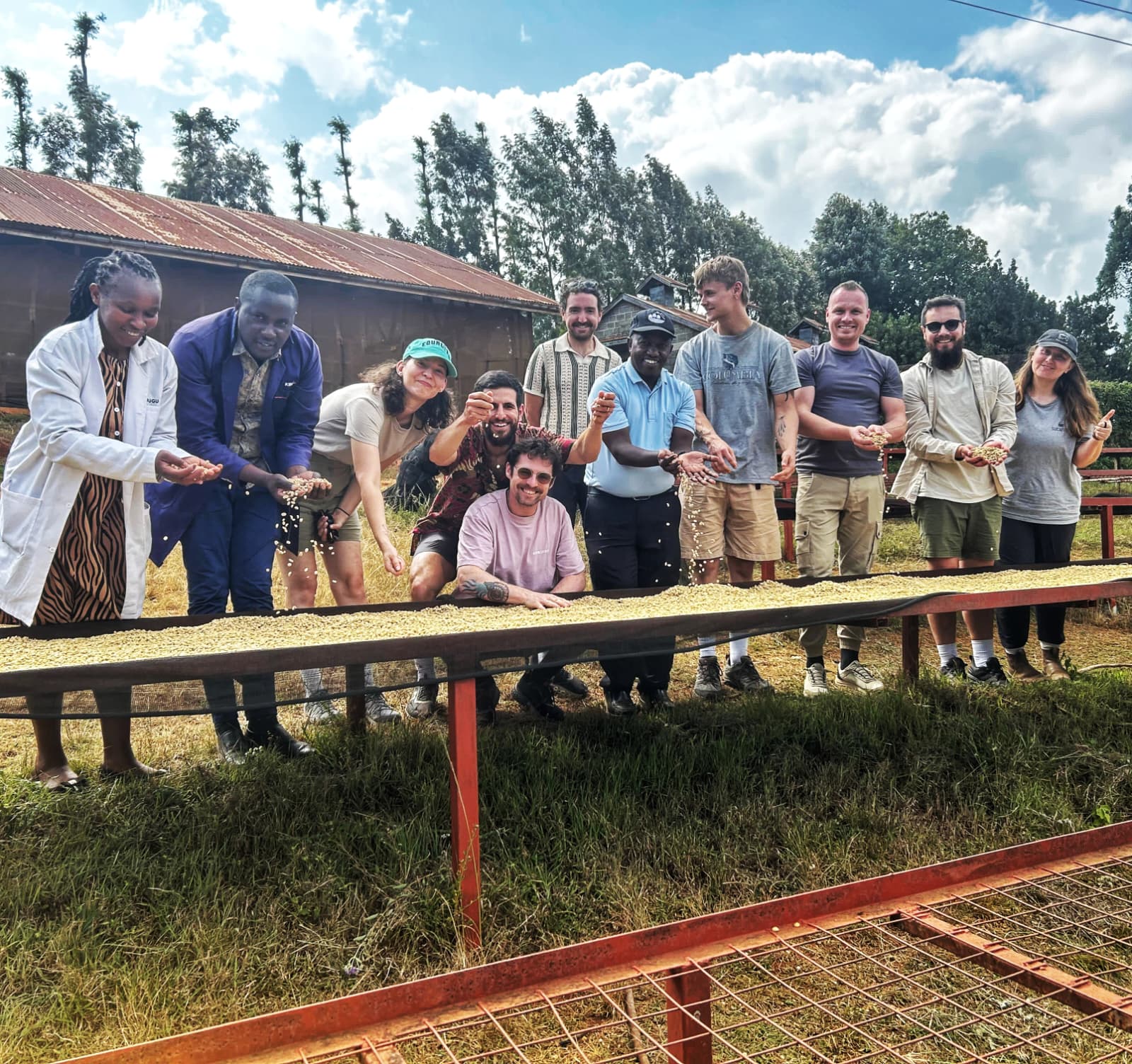
Working with a distributor doesn't mean we just sit at the roastery clicking through green coffee webshops. We believe in a hybrid model. Once a year, we aim to visit coffee farms around the world – whether that means trips to Kenya, Sumatra, Vietnam, or Colombia.
We build personal relationships, get to know the farmers and their families, and see with our own eyes the conditions in which the coffee grows. The distributor is then a strategic partner for us, who ensures that this specific bean from a person we know gets safely and legally all the way to our roasting machine.
The foundation of Goriffee is a personal partnership with farmers. We travel directly to the places of origin, know the people who grow our coffees, and cooperate with them long-term. Thanks to this, their unique microlots return to our offer every year. We care about fairness, transparency, and reward for quality work – exactly as it should look in the modern coffee world.
Erik from Goriffee
Frequently Asked Questions (FAQ)
Is direct trade always better than buying through a distributor? Not necessarily. Direct trade sounds romantic, but for a small farmer it can represent an enormous risk if a roastery cancels an order mid-season. A distributor provides stability and infrastructure that an individual often cannot manage alone.
Doesn't a distributor unnecessarily drive up the coffee's price? A distributor takes a margin for services that either the farmer or the roaster would have to pay for anyway – shipping, warehousing, insurance, and quality control. Thanks to shared logistics, purchasing via a distributor is often more cost-effective than individual importing.
How do you know the farmer got a fair price if there's a middleman? Transparency is the cornerstone of the specialty coffee market. Modern distributors publish farm gate prices that clearly show how much money ended up directly in the grower's hands.
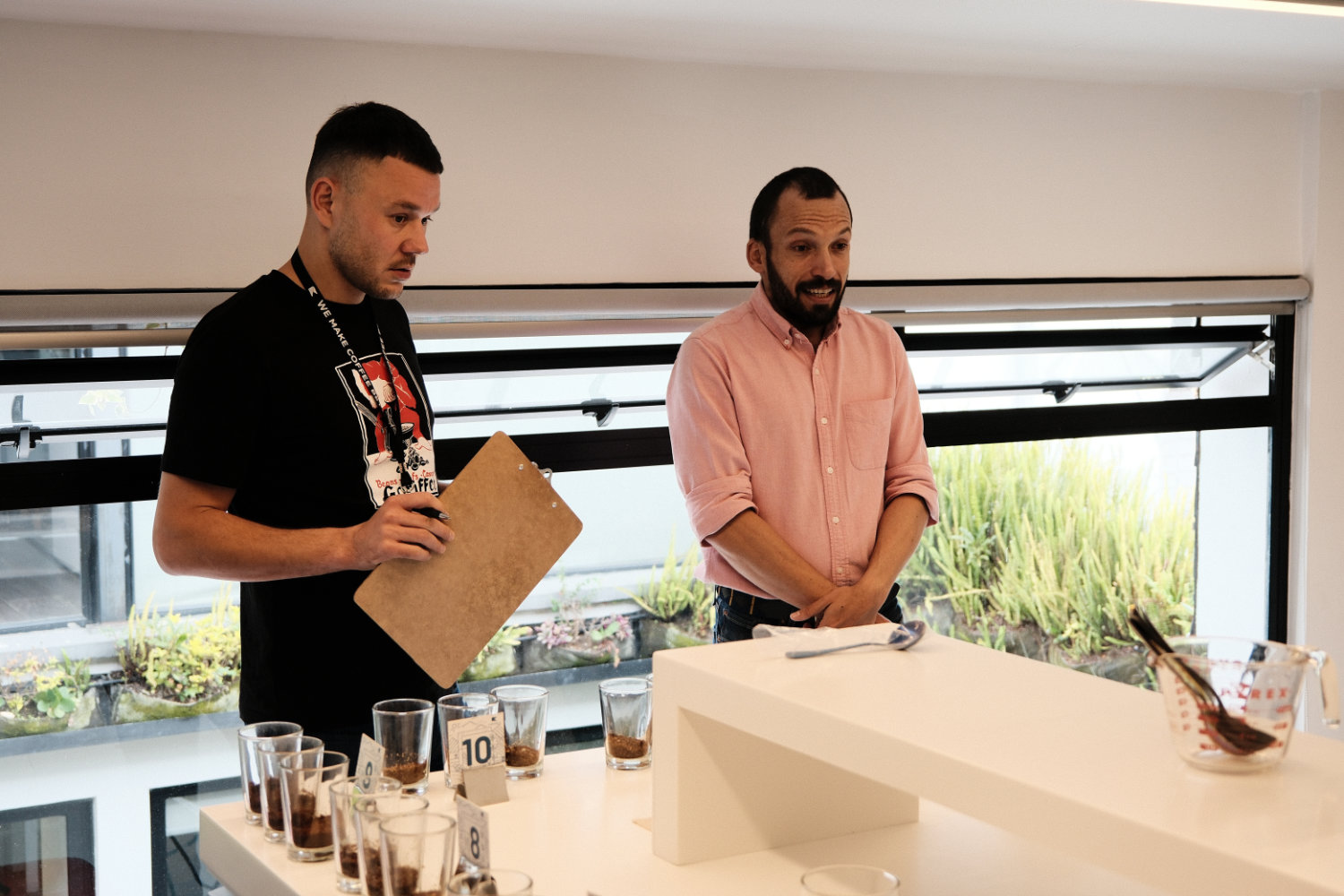
Why do you travel to farms despite working with distributors? Quality control and building trust cannot be done solely via email. In-person visits allow us to understand the unique terroir and select the finest lots for our roastery, which the distributor then handles logistically.
Erik from Goriffee
Co-founder of the Goriffee roastery. He is in charge of purchasing green coffee, its precise selection and final choice. He regularly visits coffee farms all over the world. He then uses his experience as a QC specialist in quality control and flavor profiling, thanks to which only the best specialty coffee reaches you.
Na ukladanie a/alebo prístup k informáciám o zariadení používame technológie ako cookies. Robíme to s cieľom zlepšiť zážitok z prehliadania a zobrazovať (ne)prispôsobené reklamy. Súhlas s týmito technológiami nám umožní spracovávať údaje, ako je správanie pri prehliadaní alebo jedinečné ID na tejto stránke. Nesúhlas alebo odvolanie súhlasu môže nepriaznivo ovplyvniť určité vlastnosti a funkcie.
Funkčné
Vždy aktívny
Technické uloženie alebo prístup sú nevyhnutne potrebné na legitímny účel umožnenia použitia konkrétnej služby, ktorú si účastník alebo používateľ výslovne vyžiadal, alebo na jediný účel vykonania prenosu komunikácie cez elektronickú komunikačnú sieť.
Predvoľby
Technické uloženie alebo prístup je potrebný na legitímny účel ukladania preferencií, ktoré si účastník alebo používateľ nepožaduje.
Štatistiky
Technické úložisko alebo prístup, ktorý sa používa výlučne na štatistické účely.Technické úložisko alebo prístup, ktorý sa používa výlučne na anonymné štatistické účely. Bez predvolania, dobrovoľného plnenia zo strany vášho poskytovateľa internetových služieb alebo dodatočných záznamov od tretej strany, informácie uložené alebo získané len na tento účel sa zvyčajne nedajú použiť na vašu identifikáciu.
Marketing
Technické úložisko alebo prístup sú potrebné na vytvorenie používateľských profilov na odosielanie reklamy alebo sledovanie používateľa na webovej stránke alebo na viacerých webových stránkach na podobné marketingové účely.