How to store coffee properly: 4 principles for perfect freshness

Peter from Goriffee | 26. January 2026
Right at the beginning, one important thing: coffee is food. And like any fresh food, specialty coffee is perishable. The moment we roast coffee for you at Goriffee, the clock starts ticking. Although the beans do not get moldy as quickly as bread or fruit, their greatest treasure – aroma and complex taste – gradually disappears.
We have prepared a complete guide to coffee storage for you, which will help you keep the beans in condition for as long as possible.
4 enemies of freshness
To understand why coffee ages, you need to know the factors that accelerate this process. There are four, and your goal is to protect the coffee from them.
- Air (oxygen): Oxidation is the fastest taste killer. Oxygen reacts with oils and aromatic substances in coffee, leading to staleness and a flat taste.
- Moisture: Roasted beans are hygroscopic – they act like a sponge that absorbs moisture from the surroundings. With moisture come odors and, in the worst case, mold.
- Heat: Higher temperatures accelerate chemical processes, including CO2 release and oxidation. Coffee should be kept cool (but not necessarily in the fridge).
- Light: UV radiation degrades beans just like other organic products. Glass jars on a shelf look nice, but if they are in the sun, the coffee in them suffers.
Our Head Roaster, Jakub Jandík, adds to this:
"In the roastery, we do our best to develop the best potential in the beans, but this process does not end with packaging. Coffee is a living raw material, and how you store it at home determines whether you will find what we hid there for you in the cup, or just a flat taste. I always say – the best packaging for coffee is the one that protects it from oxygen, and the best place is a dark, dry shelf, not the fridge."
Basic storage rules
If you want to drink coffee at home that tastes the way we intended in the roastery, stick to these principles:
Buy whole beans, not ground
This is the golden rule. A whole bean has a small surface area in relation to its volume, so it oxidizes slowly. The moment you grind the coffee, you increase its surface area exponentially, and the flavor profile begins to fall apart within minutes to hours. Grind only as much as you are about to consume. You can find the best coffee beans for espresso or filter in the category Specialty coffee.
The original packaging is often the best
Our packaging at Goriffee is not just for decoration. They are made of multi-layer materials that do not let light through, and are equipped with a one-way valve. This allows the coffee to "breathe" (release CO2, which is created during roasting) outwards, but does not let oxygen in. If you close the package thoroughly after opening (squeeze out the air and use the zip or clip), the coffee will stay fresh in it for several weeks.
Vacuum canisters for the demanding
If you want to take storage to the next level, invest in vacuum containers (e.g., Airscape or Fellow Atmos). These canisters mechanically push excess air out of the container, thereby minimizing oxidation even with a half-empty container.
Dark and dry place
The ideal place for coffee is a dry pantry or cupboard that is not in close proximity to an oven, stove, or a window where the sun shines. A stable room temperature is key.
The fridge and freezer myth
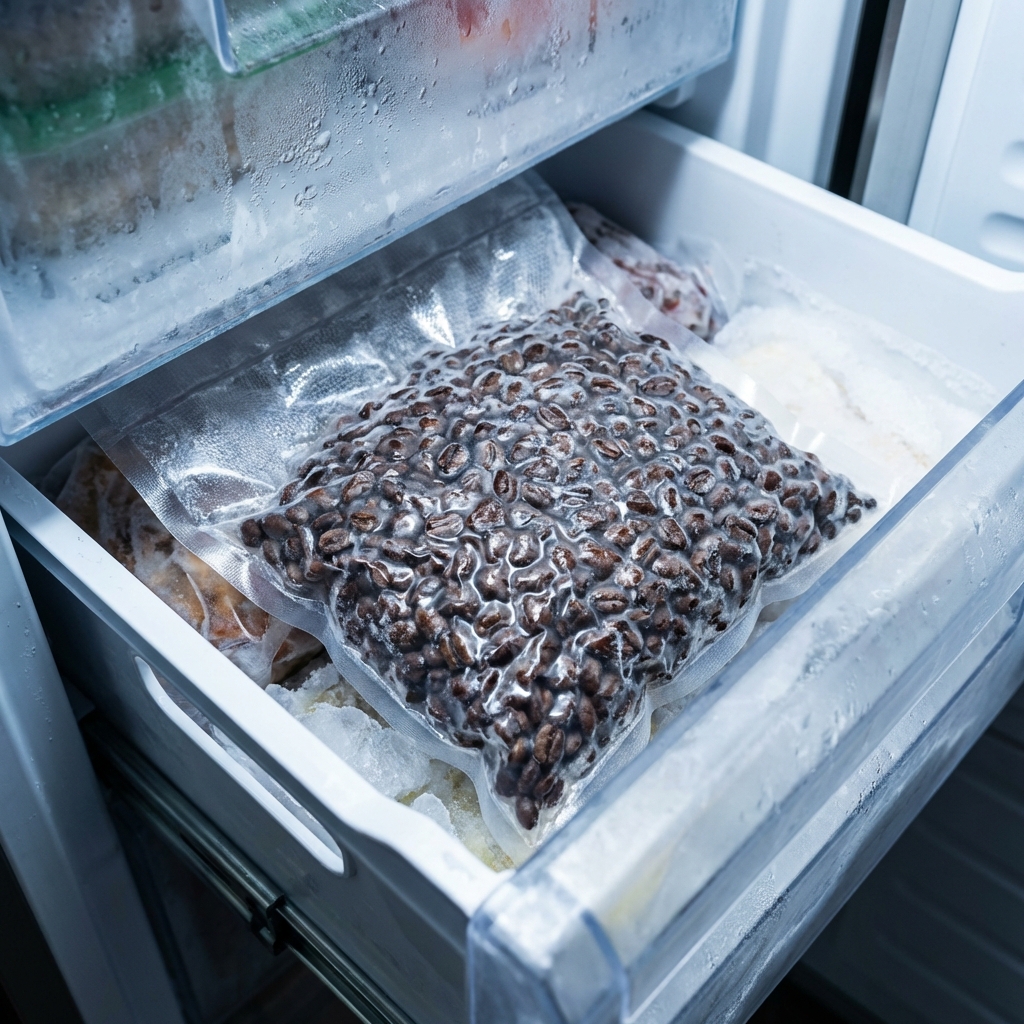
Does coffee belong in the cold? The answer is not straightforward, but for the average consumer, the following applies: Fridge no, freezer maybe.
Why not the fridge: It is humid in the fridge, and coffee likes to absorb the odors of other foods there (the aroma of sausage in an espresso is not desirable). Moreover, every time the container is taken out of the cold into the warmth, moisture condenses on the beans, which degrades them.
How to freeze properly: Freezing is only suitable for long-term storage (if you have, for example, 3 packages and you know you won't be able to drink them within a month).
- Freeze the coffee in its original unopened packaging, or divide it into smaller batches and vacuum pack it.
- When you take the coffee out of the freezer, let it thaw completely at room temperature before you open the package. This will prevent moisture condensation directly on the beans.
- Do not refreeze the coffee.
When is coffee at its peak?
Freshness does not mean you have to drink the coffee the day after roasting. Coffee needs time for so-called degassing (release of CO2).
- Filter: The ideal taste usually comes 7 – 14 days after roasting.
- Espresso: Thanks to the higher pressure during preparation, it needs a longer rest, often it is best between the 14 – 30 day.
FAQ: 5 most common questions about coffee storage
1. How long does specialty coffee stay fresh? When stored properly in a sealed package, coffee beans will maintain their optimal taste for 1 – 2 months from the roasting date. After this time, it is still drinkable and safe for health, but its flavor profile will be flat and less pronounced.
2. Can I store coffee in a glass jar? Yes, but only if you keep it in a dark cupboard. Clear glass does not block UV radiation, which harms coffee. If you want to have coffee displayed on the kitchen counter, choose an opaque (ceramic or stainless steel) canister with a seal instead.
3. Why does the coffee package have a small hole/valve? It is a one-way valve. Freshly roasted coffee releases carbon dioxide (CO2). The valve allows this gas to escape so the package doesn't inflate and burst, but at the same time prevents oxygen from getting in and degrading the coffee.
4. Is it better to buy smaller or larger packages? It is always better to buy an amount that you can consume within 3 – 4 weeks. For a normal household, 250 g or 500 g packages are therefore ideal. A 1 kg package is only worth it if you have high consumption or if you freeze part of it.
5. What should I do with old coffee? If you find half-a-year-old coffee in the cupboard, don't throw it away. Although it will no longer be ideal for preparing V60 or espresso, it can still serve well for Cold Brew, where the loss of acidity and subtle notes gets lost, or use it in the household – for example, as an odor absorber in the fridge or a body scrub.
Taste freshly roasted coffee beans from our offer
-

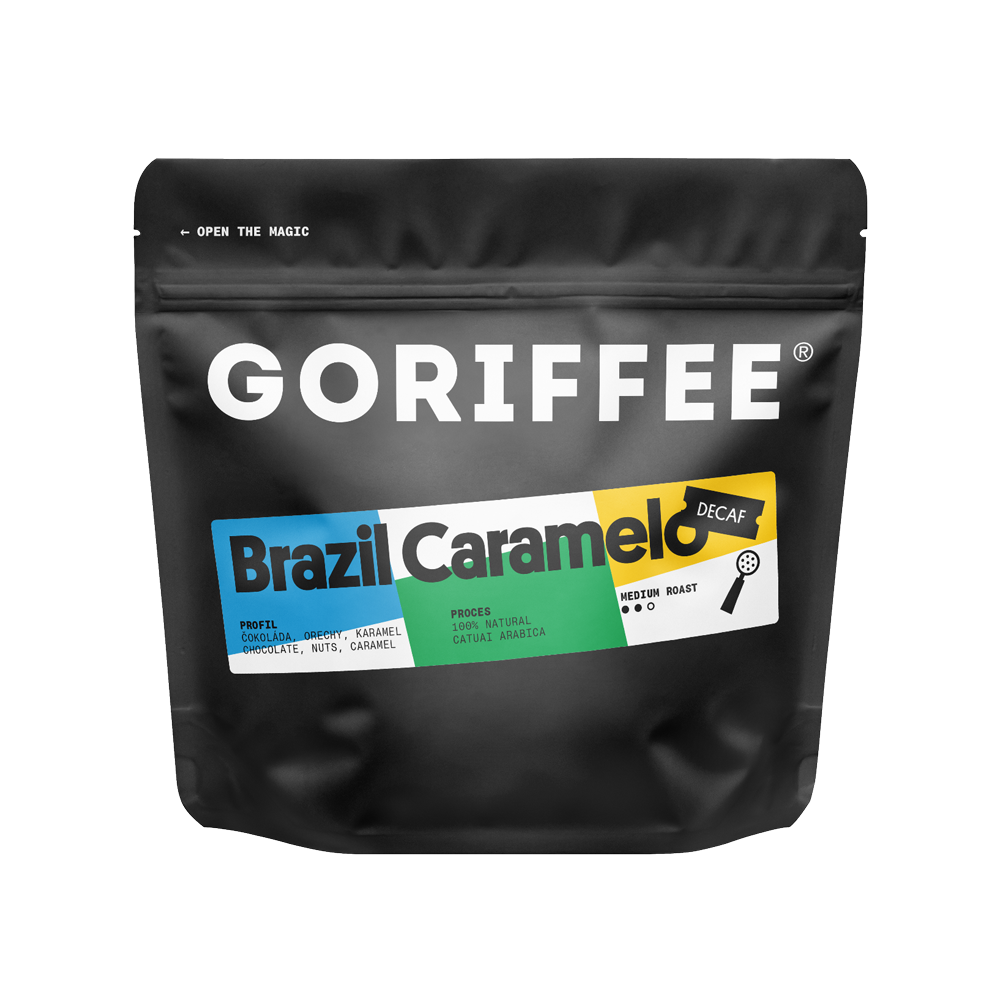
Brazil Caramelo Decaf Espresso
Price range: 13,00 € through 50,00 € -
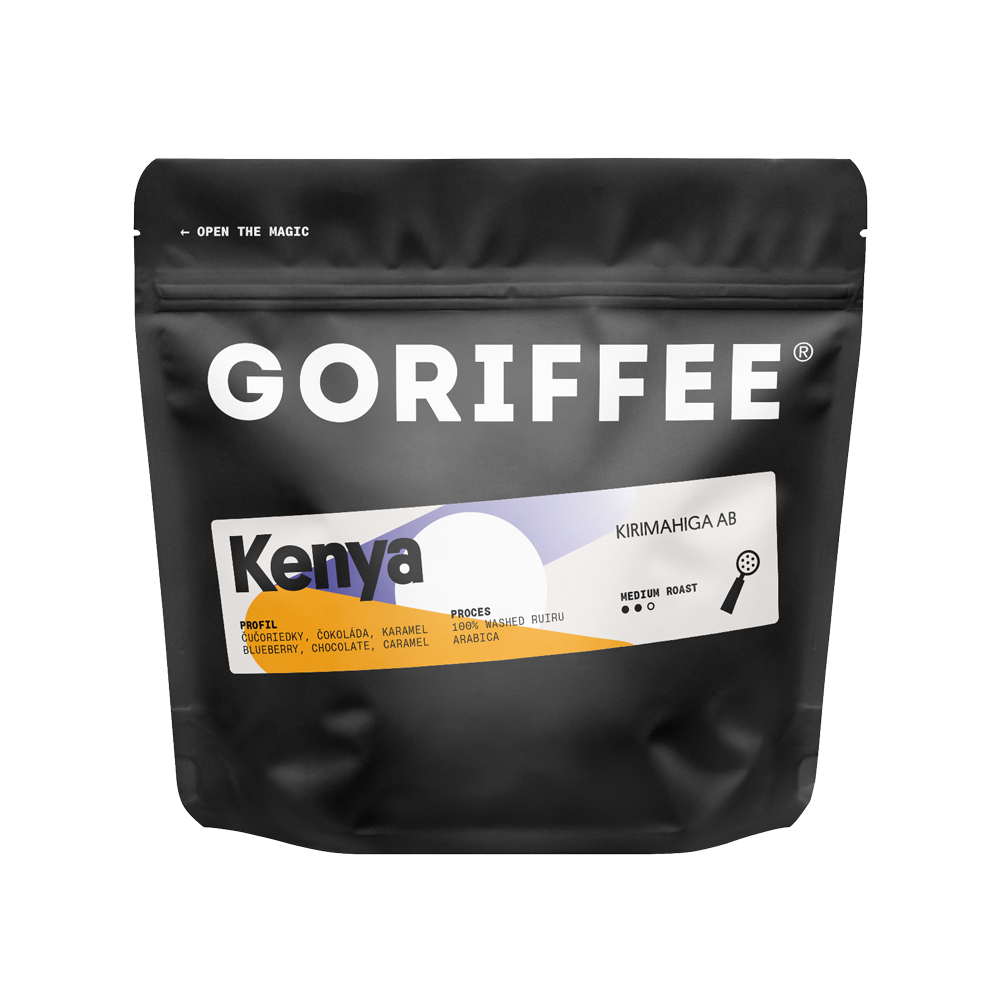
Kenya Kirimahiga AB Washed
Price range: 14,00 € through 54,00 € -
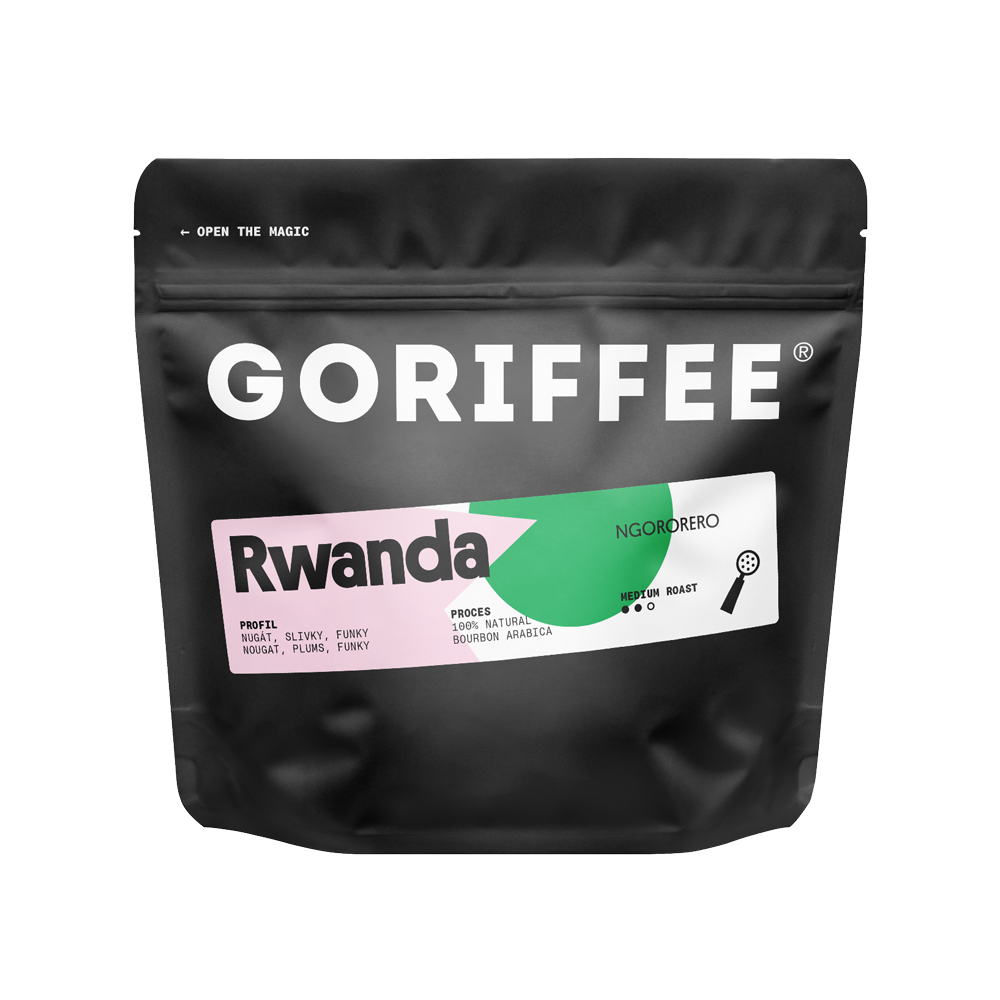
Rwanda Ngororero Natural
Price range: 15,00 € through 58,00 € -
Brazil Morada da Prata Natural
14,00 €